Oral Surgeon Malpractice Attorney in California
Oral surgeons are held to a specialist's standard — and the two injuries that define this field, wisdom-tooth nerve damage and office anesthesia disasters, are both far more preventable than patients are told.
An oral surgeon malpractice attorney in California represents patients injured by oral and maxillofacial surgeons — most often wisdom-tooth extractions that permanently damage the inferior alveolar or lingual nerve, and office-based anesthesia emergencies involving inadequate monitoring, missing emergency equipment, or one provider acting as both surgeon and anesthetist. Oral surgeons are held to a specialist standard of care, and a signed consent form listing nerve damage as a 'known risk' does not excuse surgery performed below that standard. California malpractice rules apply: one year from discovering the injury (three years maximum) under CCP § 340.5, a 90-day pre-suit notice, MICRA pain-and-suffering caps of $470,000 (non-death) and $650,000 (wrongful death) in 2026, with corrective care, reconstruction, and lost income uncapped. Special deadline rules apply to injured children. Contingency fee — no fee unless we win.
She was nineteen, home from college for the summer, and her parents' insurance covered the four wisdom teeth coming out before fall semester. The whole thing took forty minutes. What she remembers is waking up in the recovery chair with her mouth packed in gauze and the left side of her tongue feeling like it belonged to someone else. The office said that was normal. They said it again at the one-week check. And the one-month. By the time a neurologist used the phrase "lingual nerve transection," her family had lost months believing it would heal on its own — and the one-year clock that governs these cases in California had been running the whole time.
If any part of that story is yours — or your child's — keep reading.
Oral surgeons are held to a specialist's standard
This is the first thing to understand, because it changes the whole case. An oral and maxillofacial surgeon is not held to the standard of a careful general dentist. California holds specialists to the standard of a reasonably careful specialist — the training, the imaging, the planning, and the judgment of a board-certified surgeon. When a case needed a CBCT scan, a coronectomy, a dedicated anesthesia monitor, or a referral, "a general dentist might have done the same thing" is not a defense. The specialist standard is higher because the specialist chose to hold themselves out as one.
The wisdom-tooth cases
Lower wisdom teeth sit directly on top of the inferior alveolar nerve, and their roots often wrap the canal. The lingual nerve runs along the inside of the jaw right where the flap is opened. Every oral surgeon knows this, which is why the standard of care has real, testable steps — and why the cases we take tend to have the same fingerprints:
- 01Inadequate imaging.A panoramic x-ray that shows roots near or wrapping the canal calls for a CBCT 3D scan before surgery. Operating without it — or ignoring what it showed — is below the specialist standard.
- 02No coronectomy discussion.When the nerve risk is high, the accepted alternatives include a coronectomy — deliberately removing the crown and leaving the roots in place — or not operating at all. A patient who was never offered the safer option was never truly consented.
- 03Nerve injury handled with 'wait and see.'Some nerve injuries can be repaired — but the window for microneurosurgical repair is measured in weeks to months, not a year of "give it time." A surgeon who doesn't refer a suspected transection to a nerve repair specialist promptly can turn a treatable injury into a permanent one.
- 04The mechanical errors.Wrong tooth extracted. Jaw fractured through excessive force and never disclosed. Root tips or bone fragments retained without telling the patient. Upper-molar extractions that open a communication into the sinus and get patched over with instructions to 'not blow your nose.'
The anesthesia cases — the ones that should never happen
Every few years a California family makes the news because a child or young adult went into a dental office for a routine extraction under IV sedation and didn't come home. These are the most devastating cases in this field, and the most preventable, because the safety rules are not subtle: continuous monitoring of oxygen, heart rate, blood pressure, and (for deep sedation) CO2; a dedicated, trained person whose only job is the anesthesia — not the surgeon doing both jobs at once; emergency drugs, airway equipment, and a defibrillator in the room; and a real pre-operative medical history, not a clipboard form nobody read.
California's Dental Board requires specific permits to administer sedation and general anesthesia, and those permits come with staffing and equipment requirements. When an office cuts those corners — to save a staff salary, to keep the schedule moving — and a patient codes in the chair, that is not a bad outcome. That is the definition of negligence, and the investigation usually finds the warnings were sitting in the file.
"But I signed a consent form"
Every family we represent signed one. Here's the honest legal reality: a consent form documents that you accepted the known risks of a procedure performed properly. It is not a license to perform it improperly. Consenting to the risk of nerve damage from a careful extraction is not consenting to an extraction done without imaging, without the safer alternative being offered, or with a nerve injury that was then never referred for repair. What the form says, what you were actually told, and whether the discussion was real or a signature collected in the hallway — those are evidence questions, and they're where these cases are often won.
The California rules — and the special rule for children
- Adults generally have one year from discovering the injury, and never more than three years from the injury itself, to file (CCP § 340.5), plus a 90-day written notice of intent to sue.
- Children get more time: for a child under six, a malpractice claim can be brought until three years after the injury or the child's eighth birthday, whichever is later — and older minors get tolling as well. But evidence doesn't wait, and neither should you.
- MICRA caps pain-and-suffering at $470,000 (non-death) and $650,000 (wrongful death) in 2026, rising annually. Economic damages — revision surgery, nerve repair, a lifetime of adaptive care in a brain-injury case, lost income, and in wrongful-death cases the financial support the family lost — are uncapped.
- Cases are filed in the county where the surgery happened. Our office is in Sacramento, and we evaluate serious oral surgery cases statewide.
What to do right now
- Request the complete chart in writing — operative notes, imaging, consent forms, anesthesia records, and the monitoring strip or anesthesia log. In anesthesia cases, that log is the single most important document in the file.
- Get an independent evaluation — a different oral surgeon or, for nerve injuries, a microneurosurgical nerve repair specialist, quickly. The repair window is short.
- Write down the timeline: what risks were discussed before surgery, what you were told afterward, and every date you were told to wait.
- If your child was injured, do not assume you have years — some deadlines run sooner than parents expect, and evidence like the anesthesia log can be requested immediately.
- Mind the one-year clock. Oral surgery offices know it exists. Now you do too.
Oral surgeon malpractice attorney California — quick answers
Is a numb tongue or lip after wisdom tooth removal malpractice?+
Not automatically — but it often is. Lingual and inferior alveolar nerve injuries become malpractice cases when the surgeon operated without adequate 3D imaging, ignored anatomy that showed high nerve risk, never offered the safer coronectomy alternative, or failed to refer a suspected nerve transection for repair within the short window when repair is still possible. The 'wait and see' approach is frequently the most damaging part.
The consent form listed nerve damage as a risk. Can I still sue?+
Yes, in many cases. A consent form documents acceptance of the known risks of a properly performed procedure — it is not a defense to a procedure performed below the specialist standard of care. What matters is whether the risks discussed were specific to your anatomy, whether safer alternatives were offered, and whether the technique itself was negligent.
What are the anesthesia safety rules for California dental offices?+
Dental offices need a Dental Board permit to administer IV sedation or general anesthesia, and permits require trained staff, continuous physiological monitoring, emergency drugs and airway equipment, and appropriate patient screening. The recurring failure in the catastrophic cases is one person acting as both surgeon and anesthetist with no dedicated monitor — a staffing shortcut that violates the standard of care.
My child was injured during dental sedation. Is the deadline different?+
Yes. California gives minors extra time: for children under six, a malpractice claim can be filed up to three years after the injury or until the child's eighth birthday, whichever is later, and older minors benefit from tolling rules as well. Do not rely on the extra time — anesthesia records and other evidence are far easier to obtain immediately than years later.
What is an oral surgeon malpractice case worth in California?+
The uncapped economic damages usually drive the value: nerve repair surgery, revision procedures, future care, and lost income — substantial in brain-injury and wrongful-death cases. Pain and suffering is capped by MICRA at $470,000 (non-death) and $650,000 (wrongful death) in 2026, rising annually. Any attorney who quotes a number before reviewing the chart and anesthesia records is guessing.
How much does an oral surgeon malpractice attorney in California cost?+
Nothing up front. Cases are handled on contingency — no attorney's fee unless money is recovered for you. The firm advances case costs (oral surgery and anesthesia experts, records, filing fees) and is reimbursed only from a recovery. Malpractice attorney's fees are limited by a statutory sliding scale, which we explain in plain numbers at the first meeting. Consultations are free.
The surgery was in another part of California. Can your office still take my case?+
Yes. The case is filed in the county where the surgery happened, but the attorney doesn't have to be local to that county — records review, expert consultation, and most litigation work happen remotely. Oral surgeon malpractice is a narrow specialty, and the experience with nerve-injury and anesthesia files matters more than the office zip code.
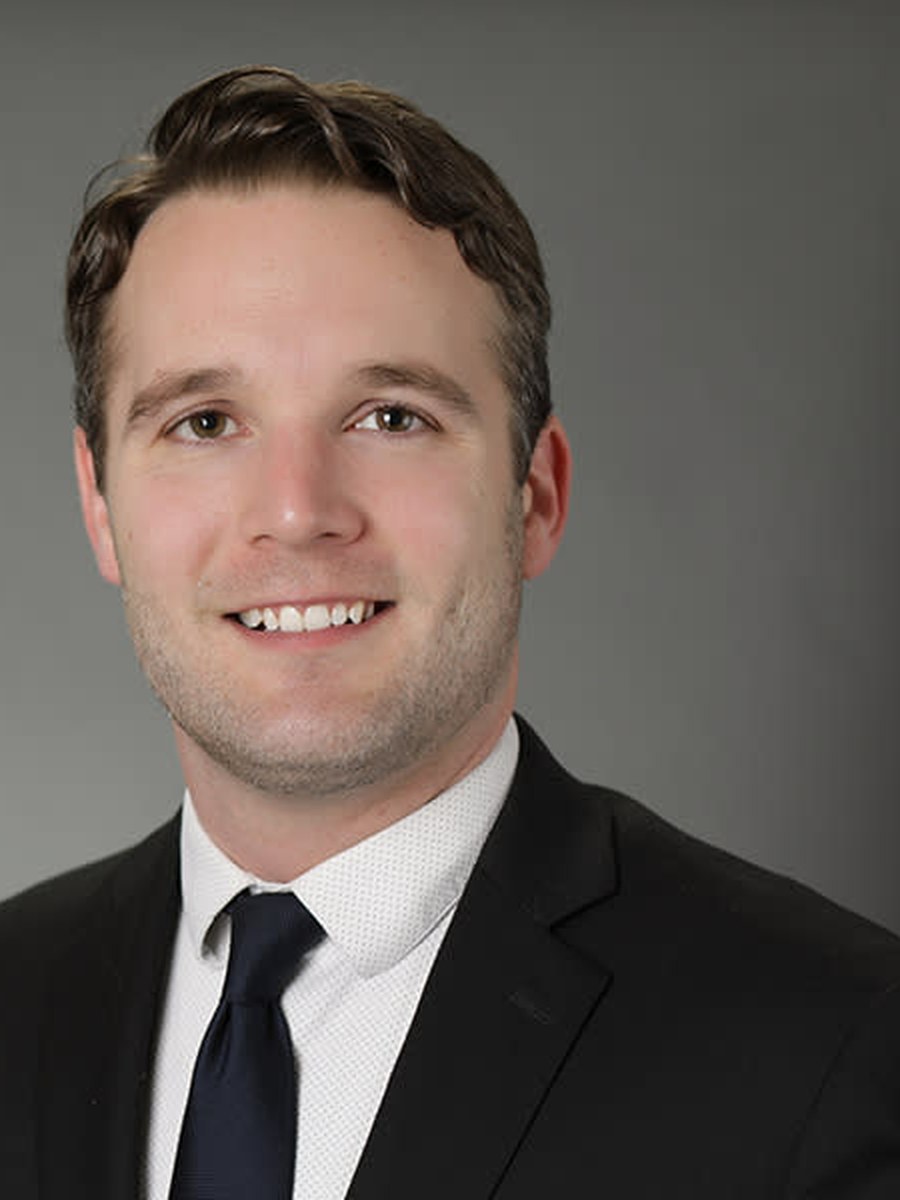
Joe Helfrick is a Sacramento-born trial attorney representing the seriously injured throughout Sacramento County and Placer County. B.A. History, Holy Cross College of Notre Dame (2010). J.D., Lincoln Law School (2015) — Faculty Achievement Award, Legal Analysis. Admitted to the California State Bar (2017) and the U.S. District Court, Eastern District of California (2020).
Talk to Joe. The first call is free.
Free, confidential, no obligation. You pay nothing unless we recover money for you.