Medical Malpractice Attorney in Sacramento, CA
A plain-English guide to California med-mal law — the one-year clock, the 90-day notice, MICRA's cap on pain-and-suffering, and how to tell the difference between a bad outcome and negligence.
A medical malpractice attorney in Sacramento, CA represents patients harmed by a doctor, hospital, or dentist who fell below the accepted standard of care. In California, most med-mal claims must be filed within one year of discovering the injury (or three years of the injury itself — whichever comes first), and the patient must serve a 90-day "notice of intent to sue" before filing. Non-economic damages are capped under MICRA — currently $470,000 for non-death cases and $650,000 for wrongful-death cases (2026), rising annually. Sacramento hospitals commonly involved include UC Davis Medical Center, Sutter Medical Center, Mercy General, and Dignity Health Methodist. Cases are taken on contingency — no fee unless we win.
What is medical malpractice under California law?
Medical malpractice happens when a healthcare provider — a doctor, nurse, hospital, dentist, or clinic — provides care that falls below the accepted "standard of care" and injures the patient as a result. Standard of care is defined as what a reasonably careful provider in the same specialty would have done under the same circumstances. A bad outcome alone is not malpractice — surgery has risks, medicines have side effects, cancer sometimes progresses despite treatment. Malpractice is specifically about negligence, and proving it almost always requires a qualified expert in the same specialty willing to review the file and testify.
The California deadlines that end most med-mal cases before they start
Medical malpractice has some of the shortest and most confusing deadlines in California civil law. Code of Civil Procedure § 340.5 imposes two overlapping clocks:
- One year from the date the patient discovered — or, using reasonable diligence, should have discovered — the injury and its negligent cause.
- Three years from the date of the injury itself, regardless of when it was discovered.
- Whichever expires first ends the claim.
- Different rules apply for minors (up to age 8 for children under 6 at the time of injury) and for cases involving foreign objects left in the body, fraud, or intentional concealment.
On top of that, CCP § 364 requires the plaintiff to serve the healthcare provider with a "90-day notice of intent to sue" before filing the lawsuit. Sacramento medical malpractice attorneys take these deadlines extremely seriously — a missed clock is malpractice-on-top-of-malpractice.
Types of Sacramento medical malpractice cases we see
- Surgical errors — wrong-site surgery, retained foreign objects (sponges, instruments), nerve or artery damage during otherwise routine procedures.
- Anesthesia complications — under-monitoring, drug dosing errors, awareness under anesthesia.
- Missed or delayed diagnosis — cancer (especially breast, colon, lung), heart attack, stroke, ectopic pregnancy, appendicitis, meningitis.
- Birth injuries — HIE (hypoxic-ischemic encephalopathy), Erb's palsy, delayed C-section, uterine rupture.
- Emergency room malpractice — missed cardiac events, missed fractures, medication interactions.
- Hospital-acquired infections — MRSA, sepsis, C. diff traced to inadequate sterile technique.
- Medication errors — pharmacy dispensing mistakes, inpatient administration errors, missed drug interactions.
- Nursing home neglect — pressure ulcers (bed sores), falls, dehydration, elopement.
- Dental malpractice — nerve damage from extractions, failed implants, sedation errors, misdiagnosed oral cancer.
Sacramento hospitals and health systems these cases arise from
Med-mal is not about naming and blaming — it's about accountability. Cases in the Sacramento region commonly involve UC Davis Medical Center, Sutter Medical Center Sacramento, Sutter Roseville, Mercy General Hospital, Dignity Health Methodist Hospital, Marshall Medical Center in El Dorado County, and numerous surgery centers and dental clinics across the region.
How to know whether you have a real med-mal case
Not every bad outcome is malpractice. A short intake with a qualified Sacramento medical malpractice attorney is the fastest way to find out. In general, cases worth pursuing tend to share several features:
- 01A clear deviation from standard care.Not "the doctor was rude" — a specific action or omission that a reasonably careful provider in the same specialty would not have made.
- 02Real, provable harm.New surgery, extended hospitalization, permanent disability, wrongful death — something that changed the medical trajectory in a measurable way.
- 03Causation.The negligence has to have caused the harm. If the patient would have suffered the same outcome regardless, there is no case.
- 04A recoverable defendant.Coverage matters. Most California physicians carry $1M–$3M policies; hospitals carry substantially more.
- 05A viable expert.You almost always need a matched-specialty expert willing to review the chart and write an opinion.
Medical malpractice attorney Sacramento, CA — quick answers
How much does a medical malpractice attorney in Sacramento cost?+
Nothing up front. All medical malpractice cases at our office are handled on a contingency-fee basis — you pay no attorney's fee unless we recover money for you. In California, MICRA also imposes a sliding-scale limit on attorney's fees in med-mal cases specifically, so the percentage differs from ordinary personal injury.
How long do I have to file a medical malpractice claim in California?+
The general rule under CCP § 340.5 is one year from the date you discovered (or reasonably should have discovered) the injury, and no more than three years from the date of the injury itself — whichever comes first. Different rules apply for minors, foreign-object cases, and cases involving intentional concealment. Because a 90-day notice of intent must be served before the lawsuit, effectively you need to hire counsel long before the one-year deadline expires.
Is a bad outcome the same as malpractice?+
No. Every surgery and treatment carries risk, and even excellent care can lead to complications. Malpractice requires proof that the provider fell below the accepted standard of care and that the deviation caused the injury. A qualified specialty-matched expert almost always has to review the medical records before a case can go forward.
Can I sue a Sacramento hospital for a family member's wrongful death?+
Yes. Under California Code of Civil Procedure § 377.60, the spouse, domestic partner, children, and — where applicable — parents of the decedent can bring a wrongful-death claim. Economic damages (loss of financial support, loss of household services) are uncapped.
What kinds of medical malpractice cases does Joe Helfrick actually take?+
Cases with a clear standard-of-care deviation, measurable harm (surgery, permanent disability, wrongful death, or major additional treatment), a defensible expert opinion, and available insurance coverage. Common accepted case types include missed cancer diagnosis, surgical error, birth injury, anesthesia complications, medication errors, ER malpractice, and hospital-acquired infections. Dental malpractice is also handled where nerve damage, sedation error, or failed implants are involved.
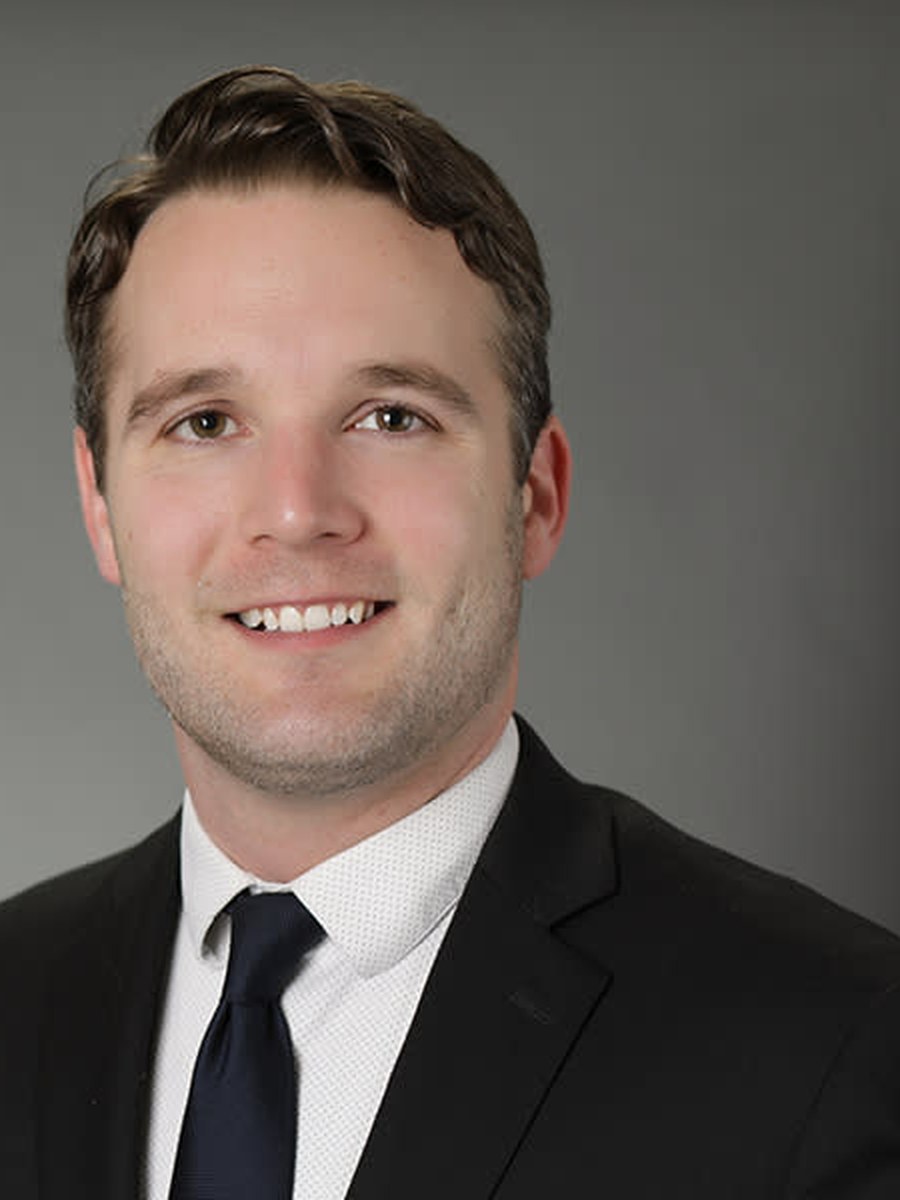
Joe Helfrick is a Sacramento-born trial attorney representing the seriously injured throughout Sacramento County and Placer County. B.A. History, Holy Cross College of Notre Dame (2010). J.D., Lincoln Law School (2015) — Faculty Achievement Award, Legal Analysis. Admitted to the California State Bar (2017) and the U.S. District Court, Eastern District of California (2020).
Talk to Joe. The first call is free.
Free, confidential, no obligation. You pay nothing unless we recover money for you.