Dental Malpractice Attorney in Sacramento, CA
Sacramento is flooded with cut-rate implant ads and production-line dental chains. When the volume-first model hurts you, here's how a local dental malpractice attorney actually evaluates the case — and what it's worth.
A dental malpractice attorney in Sacramento, CA represents patients injured when a dentist, oral surgeon, or implant center falls below the accepted standard of care — implants drilled into the sinus or nerve canal, extraction nerve injuries, sedation errors, botched root canals, and missed oral cancer. In Sacramento these cases are filed in Sacramento County Superior Court at the Gordon D. Schaber Courthouse on 9th Street. The rules are malpractice rules, not ordinary injury rules: one year from discovery of the injury (three years maximum) under CCP § 340.5, a required 90-day notice of intent to sue, and MICRA caps on pain-and-suffering damages of $470,000 (non-death) and $650,000 (wrongful death) in 2026 — while medical bills, corrective surgery, and lost income remain uncapped. Kaiser dental patients generally arbitrate instead of going to court. Cases are taken on contingency — no fee unless we win.
He heard the ad on the radio driving down I-5 to his job near the airport — a dental implant for $899, "this month only," at one of the implant centers that have popped up all over Natomas and the Arden corridor. He'd been putting off replacing a molar for years, and the price finally made it feel possible. The consult was fast. The x-ray was fast. The surgery was fast. Six weeks later he had pressure in his cheek that wouldn't quit, then a sinus infection that antibiotics wouldn't touch, then a strange whistling when he drank water. His own physician finally sent him to an ENT at UC Davis, who took one scan and found it: the implant had been drilled straight through the bone into his sinus cavity. It had been sitting there, infected, for the better part of a year.
Two revision surgeries later, he's fine. But he lost most of a year to pain, appointments, and an office that kept telling him it was "normal healing." If any of that sounds familiar, keep reading.
Sacramento's implant boom has a casualty count
Drive the Arden corridor, Howe Avenue, Sunrise, or the retail stretch through Natomas and you'll pass billboards for implants at prices that were impossible ten years ago. Some of those offices are excellent. Some are volume operations where the business model only works if the doctor does eight surgeries a day and the planning gets squeezed. The legal problem is not the price — it's what gets skipped to hit the price: the CBCT 3D scan that would have shown thin bone, the graft that should have come first, the referral to a periodontist that never happened because the sale would have walked out the door with it.
When those steps get skipped and a patient gets hurt, that is not bad luck. Under California law it is malpractice, and it is compensable.
How we actually evaluate a Sacramento dental malpractice case
Every dental malpractice case in California runs on one engine: the expert opinion. Before a case can responsibly be filed, a qualified dental expert has to review the chart and the imaging and say two things — the provider fell below the standard of care, and that failure caused the injury. So when a potential client calls our office, the evaluation is concrete:
- 01Get the records.The full chart, every x-ray and CBCT scan, the consent forms, and the billing ledger. In implant-mill cases the chart is often the strongest evidence — consent forms signed in the hallway, imaging that was never taken, risks that were never documented.
- 02Get the injury treated by someone uninvolved.An oral surgeon, ENT, or endodontist with no stake in the first office. Their records usually state, plainly, what went wrong and why.
- 03Send the file to a dental expert.A practicing or teaching dentist in the same specialty reviews everything and tells us — yes, this is a case, or no, this is a known complication handled correctly. We pay for that review. If the answer is no, we tell you, and you owe nothing.
That third step is the honest gatekeeper. It is also why malpractice cases that do get filed tend to be strong ones — the defense knows a plaintiff's expert has already vetted the file.
The rules that make dental cases different from car-crash cases
California classifies dentists as health care providers, which means dental malpractice lives under the same malpractice framework as a surgical error at a hospital. Three things follow, and all three favor acting early:
- The clock is short: one year from when you discovered (or should have discovered) the injury, and no more than three years from the injury itself (CCP § 340.5). Patients who are told to "give it time" can watch the whole window close while they wait.
- You must serve a written 90-day notice of intent to sue before filing (CCP § 364) — a procedural step that trips up people who wait until the last minute.
- MICRA caps pain-and-suffering damages — $470,000 for non-death cases and $650,000 for wrongful-death cases in 2026, rising annually — but economic damages are uncapped. In implant cases that's the heart of the claim: revision surgery, bone grafts, sinus repair, a lifetime of future dental work, and lost income, all at full value.
Venue, juries, and the Kaiser wrinkle
If the treatment happened in Sacramento County — Midtown, East Sac, Land Park, Natomas, Arden, Carmichael, Elk Grove, Rancho Cordova, Folsom — the case is filed in Sacramento County Superior Court, downtown at the Gordon D. Schaber Courthouse on 9th Street. Joe tried and defended cases in that building for years, including from the defense side of malpractice files, before representing patients. The local defense firms, the expert witnesses both sides use, the mediation landscape — it's a small community, and being known in it is not a small advantage.
One important wrinkle: if your dental care came through Kaiser, your member contract generally requires binding arbitration instead of a jury trial. That is not the end of the case — arbitration claims against Kaiser providers are viable and we handle them — but the process, the timeline, and the strategy differ from a courthouse case. The one-year clock still applies.
What these cases are actually worth
Any lawyer who quotes you a number on the first call is guessing. What we can tell you is how the number gets built:
- Corrective and future care: revision surgery, grafting, new implants done properly, sinus repair, future maintenance — usually the largest component, and uncapped.
- Lost income: missed work, and in nerve-injury cases sometimes reduced capacity in jobs that depend on clear speech.
- Pain and suffering: capped by MICRA as described above — real money, but not unlimited, and we will be straight with you about that ceiling.
- The multiplier nobody talks about: how well the injury is documented. A clean paper trail from an uninvolved specialist is worth more than any demand letter.
What to bring to the first call
Three things turn a first call into a real evaluation: the name of the office and provider, a rough timeline of symptoms (when they started, who you told, what you were told), and whether you've already signed anything from the office or its insurer — implant centers sometimes offer a quick "refund" in exchange for a release, and it's worth knowing before the signature, not after.
Dental malpractice attorney Sacramento, CA — quick answers
How much is a dental malpractice case worth in Sacramento?+
It depends on the injury, but the structure is consistent: economic damages (revision surgery, bone grafts, sinus repair, future dental care, lost income) are uncapped in California and usually form the largest part of the claim, while pain and suffering is capped by MICRA at $470,000 for non-death cases in 2026. Cases with permanent nerve damage or multiple corrective surgeries sit at the higher end. No honest attorney will quote a number before reviewing your records.
Can I sue a Kaiser dentist in Sacramento?+
Generally not in court — Kaiser member contracts require binding arbitration for malpractice claims instead of a jury trial. Arbitration claims are absolutely viable and follow the same standard-of-care analysis, but the process, discovery, and timeline differ from a courthouse case. The same one-year statute of limitations applies, so waiting is still costly.
What if the dentist who hurt me works for a big implant center chain?+
You can often pursue both the individual provider and the corporate entity. Implant centers and dental service organizations can share liability depending on how much control they exercised over scheduling, staffing, quotas, and treatment decisions. Identifying every responsible party early matters for insurance coverage and for keeping the right defendants in the case.
How do you prove dental malpractice in California?+
Through a qualified dental expert. California malpractice cases require expert testimony establishing that the provider fell below the standard of care and that the failure caused the injury. In practice that means your attorney obtains the full chart and imaging, has an unaffiliated specialist treat the injury, and sends the file to a dental expert for review before filing. Cases that pass that review are the ones worth filing.
The office that placed my implant closed or the dentist moved away. Can I still sue?+
Usually yes. Malpractice liability follows the provider, not the storefront, and dentists carry malpractice insurance that responds even after they relocate, retire, or the practice closes. Corporate chains that operated the office may remain liable as well. Do not assume a closed office means a dead case — but do act quickly, because the one-year clock does not pause.
How long do dental malpractice cases take?+
Most resolve in one to two years. Cases that settle after a strong expert-supported demand can resolve faster; cases that go deep into litigation or arbitration take longer. The timing variable you control is the front end — the sooner records are gathered and the expert review is done, the sooner the case has real leverage.
How much does a dental malpractice attorney in Sacramento cost?+
Nothing up front. Cases are handled on contingency — no attorney's fee unless money is recovered for you. The firm advances case costs (experts, records, filing fees) and is reimbursed only out of a recovery. In California malpractice cases, attorney's fees are limited by a statutory sliding scale, which we walk through in plain numbers at the first meeting. Consultations are free.
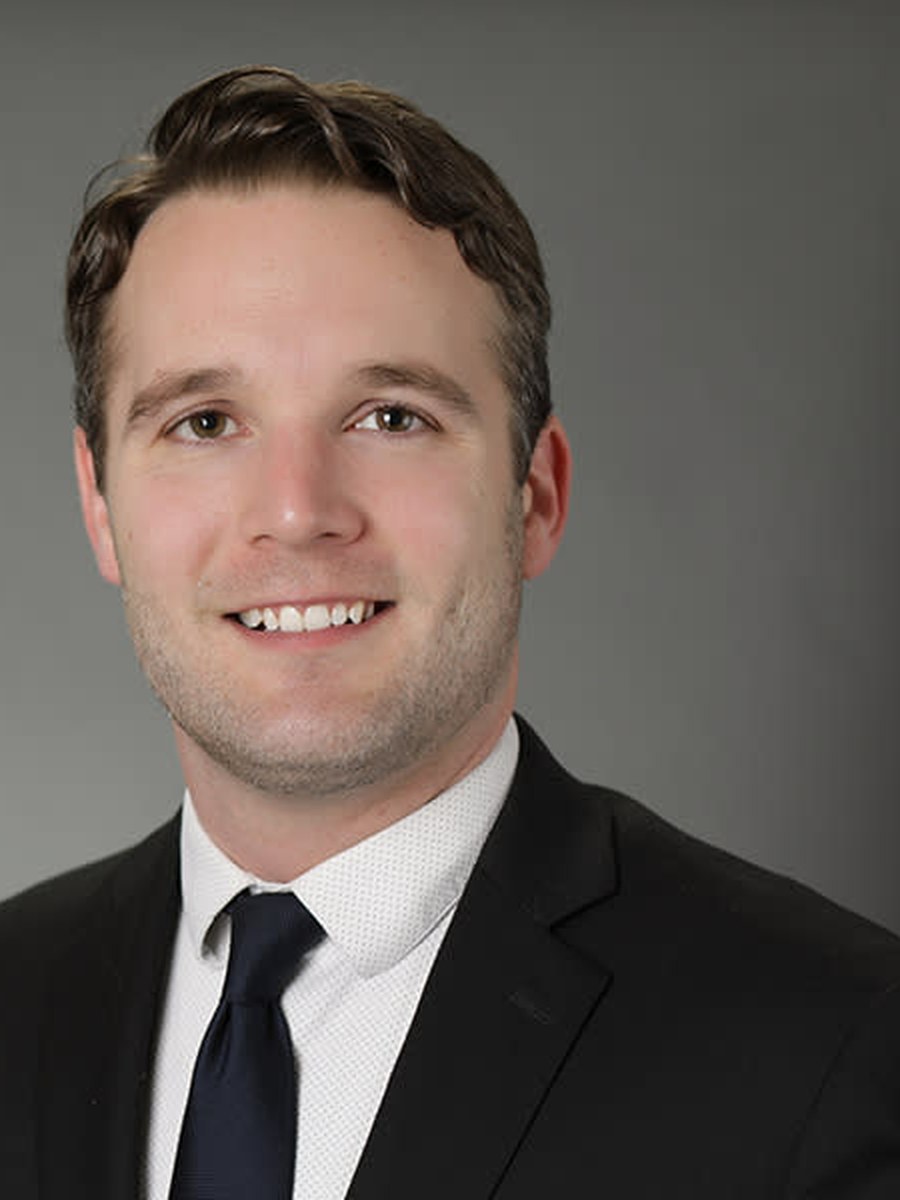
Joe Helfrick is a Sacramento-born trial attorney representing the seriously injured throughout Sacramento County and Placer County. B.A. History, Holy Cross College of Notre Dame (2010). J.D., Lincoln Law School (2015) — Faculty Achievement Award, Legal Analysis. Admitted to the California State Bar (2017) and the U.S. District Court, Eastern District of California (2020).
Talk to Joe. The first call is free.
Free, confidential, no obligation. You pay nothing unless we recover money for you.