Dental Implant Malpractice Lawyer in California
A dental implant is a surgical procedure marketed like a home appliance. A statewide look at how implant cases actually go wrong — the weekend courses, the skipped scans, the All-on-4 disasters — and what California law does about it.
A dental implant malpractice lawyer in California represents patients injured when an implant is placed below the accepted standard of care — implants drilled without 3D imaging into the nerve canal or sinus, implants placed in bone that was never adequate, botched sinus lifts, and full-arch 'teeth in a day' cases that collapse within months. Dental implants are surgery, and in California that means malpractice rules: one year from discovering the injury (three years maximum) to sue under CCP § 340.5, a 90-day pre-suit notice, and MICRA caps on pain-and-suffering of $470,000 (non-death) and $650,000 (wrongful death) in 2026 — with corrective surgery, full-mouth reconstruction, and lost income uncapped. Cases are filed where the treatment happened, anywhere in the state, and are handled on contingency — no fee unless we win. If a failed implant is ever removed, keep the hardware: it is evidence.
The call came from the Central Valley, but it could have come from anywhere in the state. A retired teacher, sixty-three, had saved for years and finally did it: the full-arch treatment the ads call "teeth in a day." Twenty-eight thousand dollars, four implants per jaw, a temporary bridge screwed in before she left the office. She cried happy tears in the parking lot. Eight months later she called us from her kitchen: two implants on the bottom were mobile, the bridge had cracked twice, one side of her lower lip had been numb since surgery day, and the office that did the work was now suggesting she pay another twelve thousand to "redo" the case. She wanted to know if any of this was normal.
None of it was normal. And her case — like most implant cases we see across California — was decided by things that happened before the drill ever turned on.
An implant is surgery sold like a product
Here is the tension at the center of almost every implant malpractice case in California. Marketing treats the implant as a product — a price, a warranty, a monthly payment. Medicine treats it as what it is: a surgical placement of a titanium fixture into living bone, millimeters from the inferior alveolar nerve, the mental nerve, and the sinus floor. The gap between those two framings is where patients get hurt. A general dentist can legally place implants after a weekend course. Some do it superbly after years of real training. Others are learning on you, at volume, with a sales coordinator in the next room whose job is to keep you from leaving without a signed treatment plan.
California law doesn't care how the procedure was marketed. The standard of care for implant surgery is the same whether the office looks like a spa or a hospital: adequate imaging and planning, adequate bone, informed consent that names the real risks, the technical skill to execute, and the honesty to refer out when the case exceeds the provider's training.
The five ways implant cases go wrong
- 01No 3D imaging, no real planning.A CBCT scan shows bone volume, nerve position, and sinus anatomy in three dimensions. Placing implants off a flat panoramic x-ray alone — or off no imaging at all — is beneath the standard of care in most clinical situations, and it's the single most common thread in the cases we take.
- 02The nerve strike.An implant drilled into the inferior alveolar canal produces instant, often permanent injury: a numb or burning lip and chin, altered taste, pain that outlasts the implant itself. Proper imaging and measurement make this almost entirely avoidable — which is why juries respond to it.
- 03The sinus perforation.Upper implants placed through the sinus floor become chronic infection engines. So do rushed sinus lifts. The fix is usually explant, sinus repair by an ENT or oral surgeon, grafting, and starting over — at real cost.
- 04Implants placed in bone that couldn't hold them.When there isn't enough bone, the standard answer is grafting first or referring out. The volume-shop answer is to place anyway and hope. "Hope" fails at a predictable rate, usually within the first year, usually after the warranty fine print has run.
- 05The full-arch collapse.All-on-4 and similar full-arch cases concentrate every risk: wrong angulation, overloaded temporaries, a prosthetic that can't be cleaned, and a patient who was promised a permanent solution and left with a failing one that now costs more to fix than the original treatment. These are the highest-value implant cases in California, and the most heartbreaking.
The questions that decide an implant case
When an implant case comes in, the evaluation turns on a short list of questions, and almost all of them are answered by the chart: Was a CBCT taken, and does it show the nerve and sinus anatomy was measured? Was a bone graft discussed or indicated? What do the consent forms actually say — a generic one-pager, or a real documented conversation about nerve injury and failure rates? Who planned the case, and who placed it — the person whose name is on the door, or an associate you'd never met? And when things started failing, did the office respond like clinicians or like a business protecting a sale?
One practical rule we give every implant client, and it matters more than any other: if a failed implant, healing cap, abutment, or piece of the prosthetic is ever removed — keep it. Do not let the office throw it away, and do not let them "send it back to the lab." That hardware is physical evidence, and in product-defect and placement cases it can carry the whole file.
The California rules, in one paragraph
Because implants are placed by licensed health care providers, California malpractice law applies — not ordinary injury law. You generally have one year from discovering the injury, and never more than three years from the injury itself, to file (CCP § 340.5), plus a required 90-day written notice of intent to sue before filing. MICRA caps pain-and-suffering damages at $470,000 for non-death cases and $650,000 for wrongful-death cases in 2026 — but economic damages are uncapped, and in implant cases that's where the real value lives: explant and revision surgery, sinus repair, bone grafting, a properly done reconstruction, and lost income. We've written detailed guides on both the deadlines and the damage caps — linked below.
Yes, we take implant cases statewide
Our office is in Sacramento, and most of our dental work comes out of Sacramento and Placer County. But implant malpractice is a specialty with a short bench — there simply aren't many lawyers in California who actually try malpractice cases and understand implant dentistry — so we evaluate and take serious implant cases from anywhere in the state: the Bay Area, Fresno, Los Angeles, San Diego, the Inland Empire, the North State. Venue is the county where the treatment happened; the records review, expert workup, and most of the case happen remotely anyway. If the case is real, distance is not the obstacle. The deadline is.
What to do if your implant is failing right now
- Get evaluated by someone uninvolved — ideally a board-certified oral surgeon or periodontist. Their findings become the spine of the case.
- Request your complete chart in writing: records, every x-ray and CBCT scan, consent forms, treatment plans, and billing. Don't explain why.
- Preserve the hardware. Anything removed from your mouth goes home with you, in a container, labeled with the date.
- Write the timeline while it's fresh: consult date, what was promised, surgery date, when symptoms started, and every time you were told it was "normal healing."
- Think twice before letting the original office "fix it for free" — corrective work by the same hands can complicate both your mouth and your evidence, and a free redo often comes with a release attached.
- Mind the one-year clock. Implant failures unfold slowly, and the deadline rarely feels urgent until it's gone.
Dental implant malpractice lawyer California — quick answers
Is a failed dental implant automatically malpractice in California?+
No — implants fail sometimes even with excellent care. Malpractice depends on process, not just outcome: whether adequate 3D imaging and planning were done, whether the bone was sufficient or grafted first, whether the nerve and sinus anatomy were measured and respected, whether you were told the real risks, and whether complications were handled promptly. A failed implant placed without a CBCT scan into inadequate bone is a very different case from a failed implant placed carefully.
What is the most common dental implant malpractice claim?+
Placement errors that proper imaging would have prevented — implants drilled into the inferior alveolar nerve canal or through the sinus floor. Close behind: implants placed into bone that was never adequate, and full-arch ('teeth in a day') cases planned by sales staff instead of surgeons. The common thread is skipped planning.
My 'teeth in a day' / All-on-4 case failed within a year. Do I have a case?+
Possibly a strong one. Full-arch failures often involve wrong implant angulation, overloaded temporary bridges, inadequate bone work, and promises that didn't match the treatment plan. Because these cases cost $25,000 to $60,000 or more and often require full reconstruction to fix, the uncapped economic damages alone can be substantial. Get your records and an independent evaluation before agreeing to any 'redo' offer.
How long do I have to sue over a bad dental implant in California?+
Generally one year from when you discovered (or should have discovered) the injury, and never more than three years from the injury itself, under Code of Civil Procedure § 340.5 — plus a required 90-day written notice before filing. Implant cases are tricky because failures unfold slowly; being told to 'give it time' for months can quietly consume the window.
Should I let the same dentist remove or fix the failed implant?+
Get an independent evaluation first. Corrective work by the original office can complicate the evidence, and free 'fixes' sometimes come with a release of claims attached. And whatever is removed from your mouth — the implant, abutment, or pieces of the prosthetic — keep it. That hardware is physical evidence.
Can a Sacramento lawyer handle my implant case if I live elsewhere in California?+
Yes. Venue is the county where the treatment happened, but the lawyer doesn't have to be local to that county. Records review, expert consultation, and most case work happen remotely, and implant malpractice is a narrow specialty — the experience matters more than the zip code. We evaluate serious implant cases statewide.
How much does a dental implant malpractice lawyer in California cost?+
Nothing up front. Cases are handled on contingency — no attorney's fee unless money is recovered for you. The firm advances case costs (the dental expert review, records, filing fees) and is reimbursed only from a recovery. In California malpractice cases, attorney's fees are limited by a statutory sliding scale, which we explain in plain numbers at the first meeting. Consultations are free.
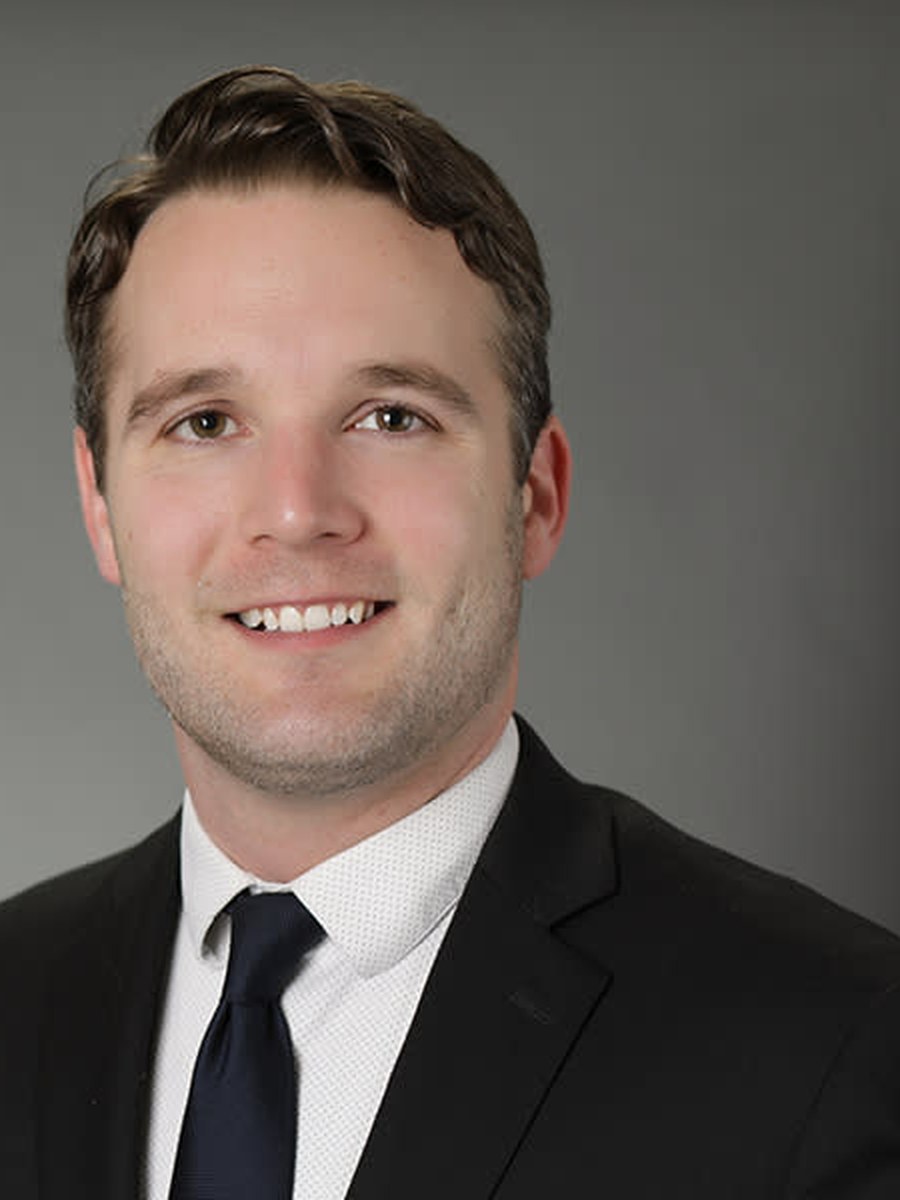
Joe Helfrick is a Sacramento-born trial attorney representing the seriously injured throughout Sacramento County and Placer County. B.A. History, Holy Cross College of Notre Dame (2010). J.D., Lincoln Law School (2015) — Faculty Achievement Award, Legal Analysis. Admitted to the California State Bar (2017) and the U.S. District Court, Eastern District of California (2020).
Talk to Joe. The first call is free.
Free, confidential, no obligation. You pay nothing unless we recover money for you.