Dental Malpractice Lawyer in Roseville, CA and Placer County
A numb tongue that never came back. An implant drilled into the sinus. A root canal that's never been right. A local, plain-English guide to when a bad dental outcome becomes a case — and the short California clock that's already running.
A dental malpractice lawyer in Roseville, CA and Placer County represents patients hurt by a dentist, oral surgeon, endodontist, or orthodontist who fell below the accepted standard of care — extraction nerve injuries (a permanently numb tongue or lip), implants drilled into the sinus or nerve canal, botched root canals, anesthesia errors, missed oral cancer, and infections that should have been caught. Dental malpractice is medical malpractice under California law: you generally have one year from discovering the injury (and never more than three years from the injury itself) to file under CCP § 340.5, and you must serve a 90-day notice of intent before suing. MICRA caps pain-and-suffering damages at $470,000 for non-death cases and $650,000 for wrongful-death cases in 2026 — but corrective surgery, future dental care, and lost income are not capped. Placer County cases are filed at the Bill Santucci Justice Center on Peckham Road in Roseville. Contingency fee — no fee unless we win.
The call that started this post came from a woman in West Roseville. Six months earlier she'd had a lower wisdom tooth pulled at one of the big corporate dental offices off Pleasant Grove Boulevard — in and out in under an hour, the way those places run. When the numbness in her tongue didn't wear off that first night, she called the office. They told her it usually comes back. She called again at a month. Same answer. At six months, the left side of her tongue was still dead to feeling and taste. She bites it when she eats. She slurs a little when she's tired. And when she finally got a second opinion from an oral surgeon, he looked at her original x-rays, looked at her, and said the sentence that changed everything: "They should have sent you to a specialist before they ever touched that tooth."
If any part of that story sounds like yours — or like something you're quietly worried about right now — this piece is for you.
Dentists are held to the same legal standard as any other doctor
People are sometimes surprised to hear this, so let's start here: in California, a dentist is a licensed health care provider in the same legal category as a surgeon. The standard of care is the same yardstick — what would a reasonably careful dentist with similar training have done in the same situation? When a provider falls below that line and a patient is hurt because of it, that's malpractice. It applies to general dentists, oral surgeons, endodontists, periodontists, orthodontists, and the hygienists working under their supervision.
The dental malpractice cases that actually walk through our door
Across Roseville, Rocklin, Lincoln, Auburn, and Granite Bay, the same handful of fact patterns come up again and again:
- 01Extraction nerve injuries.The inferior alveolar and lingual nerves run right past the roots of the lower wisdom teeth. Careful practice means proper imaging (a CBCT scan when a plain x-ray raises questions), honest informed consent about nerve risk, and referral to an oral surgeon when the roots wrap the canal. Skipping those steps is how patients end up with permanent numbness, burning nerve pain, or lost taste.
- 02Implants placed where they never should have been.Into the sinus cavity. Into the nerve canal. Into bone that was never adequate, with no grafting plan. The fix is often explant surgery, bone grafts, and losing the neighboring tooth too.
- 03Root canals gone wrong.A separated file tip left inside the canal without the patient ever being told. A perforated root. A missed canal that festers for a year. The common thread is usually a general dentist who should have referred to an endodontist when the anatomy was over their head.
- 04Missed oral cancer and missed infections.A lesion the dentist watched for a year without ever biopsying or referring. Or a patient sent home with a spreading dental infection that lands them in the ER at Sutter Roseville with their airway at risk. Dentists are the front line for oral cancer screening — when they don't look, people die.
- 05Anesthesia and sedation errors.The wrong dose, no proper monitoring, sedation administered in an office that isn't equipped for emergencies. These are the cases that make the news, especially when children are involved, and they are almost always preventable.
- 06Failure to refer.Sometimes the malpractice isn't what the dentist did — it's what they didn't do. Holding onto a case that belonged with a specialist because the production number mattered more than the patient is still malpractice.
An honest word: a bad result is not automatically malpractice
Here's the part most lawyer websites won't tell you. A numb lip for a few weeks can happen even with excellent care. Root canals sometimes fail in the best hands. The legal question is rarely the outcome — it's the process. Did the dentist take adequate imaging? Did they actually explain the risks before you signed? Did they recognize the complication and respond to it, or did they tell you to "give it time" for six months while the clock ran? If the records show careful work, documented consent, and a timely referral, there is probably no case, and we will tell you that straight. If they show no imaging, a boilerplate consent form, and a string of brushed-off phone calls, it's worth a conversation. Nobody wins a case that shouldn't be filed, and we don't take them.
Dental malpractice is medical malpractice — and the rules are stricter
Because California treats dentists as health care providers, these cases live under MICRA — the Medical Injury Compensation Reform Act. That makes them genuinely different from a car-crash case, and it's why you want a lawyer who actually handles malpractice rather than a generalist who dabbles:
- The deadline is short: one year from the date you discovered (or reasonably should have discovered) the injury, and never more than three years from the injury itself (CCP § 340.5), with narrow exceptions for fraud, concealment, and foreign objects.
- Before filing suit, you must serve the dentist with a 90-day written notice of intent to sue (CCP § 364).
- MICRA caps non-economic damages — pain, suffering, the daily indignity of a tongue that doesn't work — at $470,000 for non-death cases and $650,000 for wrongful-death cases in 2026, rising each year after.
- Economic damages are NOT capped. Corrective surgery, implant revision, bone grafts, a lifetime of future dental care, lost wages — those are recoverable at full value.
- Attorney's fees in malpractice cases are limited by a statutory sliding scale, which differs from ordinary injury cases. We'll walk you through the actual numbers before you sign anything.
Why local matters — the Roseville and Placer County angle
Drive the retail corridors along Douglas Boulevard, Sunrise Avenue, Pleasant Grove, Blue Oaks, and the Highway 65 corridor up through Rocklin and Lincoln, and you'll pass dozens of dental offices — a growing share of them owned by corporate chains where the dentist you saw last year may not be the dentist you see this year, and where production quotas are a real and documented pressure. That business model is not itself malpractice. But when it produces rushed extractions, skipped imaging, and patients who never meet a specialist, the patient pays the price.
When a case is filed, it goes to the Placer County Superior Court — civil cases are heard at the Bill Santucci Justice Center on Peckham Road in Roseville. That means local juries drawn from Roseville, Rocklin, Granite Bay, Loomis, and Auburn; local defense firms we know by name; and local experts from the medical and dental corridor around Sutter Roseville and Kaiser Roseville. Joe spent years on the defense side of malpractice cases before representing patients. He knows how dental groups and their insurers build these files, because he used to build them. We use that.
What to do right now if you think something went wrong
- Request your complete chart — records, x-rays, CBCT scans, consent forms, and billing — in writing. You have a legal right to it, and you don't have to explain why you want it.
- Get the problem treated. See an oral surgeon, endodontist, or physician for the actual injury. Your health comes first, and the new provider's records often become the clearest evidence of what went wrong.
- Write down a timeline while it's fresh: appointment dates, who you spoke with, what was said about risks, and when each symptom started.
- Photograph anything visible, and keep a simple symptom journal — a numb tongue's daily impact is hard to reconstruct a year later.
- Don't sign anything from the dentist's insurer or the corporate office. "We'll refund your treatment in exchange for a release" is a common first offer, and it's designed to close your case for pennies.
- Mind the one-year clock. In dental cases it runs faster than people expect, and once it's gone, it's gone.
The Dental Board complaint is not a lawsuit
A quick but important distinction: filing a complaint with the Dental Board of California can trigger an investigation and even discipline against the dentist's license. What it cannot do is recover a single dollar for your corrective surgery, your lost income, or what you've been through. The board process and the civil case are separate tracks, and you can pursue both — but only the civil case compensates you.
And one warning: a board complaint does not pause the statute of limitations. We have talked to people who spent the entire one-year window waiting on a board investigation, believing their legal rights were protected. They weren't.
Dental malpractice lawyer in Roseville, CA and Placer County — quick answers
What counts as dental malpractice in California?+
Dental malpractice is treatment by a dentist, oral surgeon, endodontist, or orthodontist that falls below the accepted standard of care and causes injury. The most common examples: permanent nerve damage from wisdom tooth extractions, implants drilled into the sinus or nerve canal, root canal instruments broken off and concealed, failure to diagnose oral cancer or a spreading infection, anesthesia and sedation errors, extracting the wrong tooth, and failure to refer a patient to a specialist.
How long do I have to file a dental malpractice lawsuit in California?+
Under Code of Civil Procedure § 340.5, generally one year from the date you discovered (or should have discovered) the injury, and never more than three years from the injury itself, with narrow exceptions for fraud, concealment, or a foreign object left in the body. You must also serve a 90-day notice of intent to sue before filing. These deadlines are much shorter than the two-year window for ordinary injury cases.
Is there a cap on dental malpractice damages in California?+
Yes — because dental malpractice is medical malpractice, MICRA applies. Non-economic damages (pain and suffering) are capped at $470,000 for non-death cases and $650,000 for wrongful-death cases in 2026, with annual increases after that. Economic damages — corrective surgery, implant revision, future dental care, lost wages — are not capped at all.
My tongue is still numb months after a wisdom tooth extraction. Do I have a case?+
Possibly. A persistent lingual or inferior alveolar nerve injury is the classic dental malpractice case, especially where the dentist skipped 3D imaging, never disclosed the nerve risk, or should have referred you to an oral surgeon. The most important steps: get a copy of your full chart and imaging, get evaluated by an oral surgeon, and talk to a lawyer quickly — the one-year clock may already be running.
Can I sue the corporate dental chain, or just the individual dentist?+
Often both. The dentist who treated you is the primary defendant, but the dental service organization or corporate chain can share liability depending on how much control it exercised over scheduling, staffing, equipment, and treatment decisions. Identifying every responsible entity early matters, because it affects both insurance coverage and strategy.
How much does a dental malpractice lawyer in Roseville cost?+
Nothing up front. Cases are handled on contingency — no attorney's fee unless money is recovered for you. Case costs (experts, records, filing fees) are advanced by the firm and reimbursed only out of a recovery. In malpractice cases, attorney's fees are also limited by a statutory sliding scale, which we explain in plain numbers at the first meeting. Consultations are free.
Where is a Placer County dental malpractice case filed?+
When the treatment happened in Roseville, Rocklin, Lincoln, Auburn, Granite Bay, or elsewhere in Placer County, the case is filed in Placer County Superior Court — civil cases are heard at the Bill Santucci Justice Center on Peckham Road in Roseville. If the negligent treatment occurred in Sacramento County, Sacramento is generally the proper venue instead.
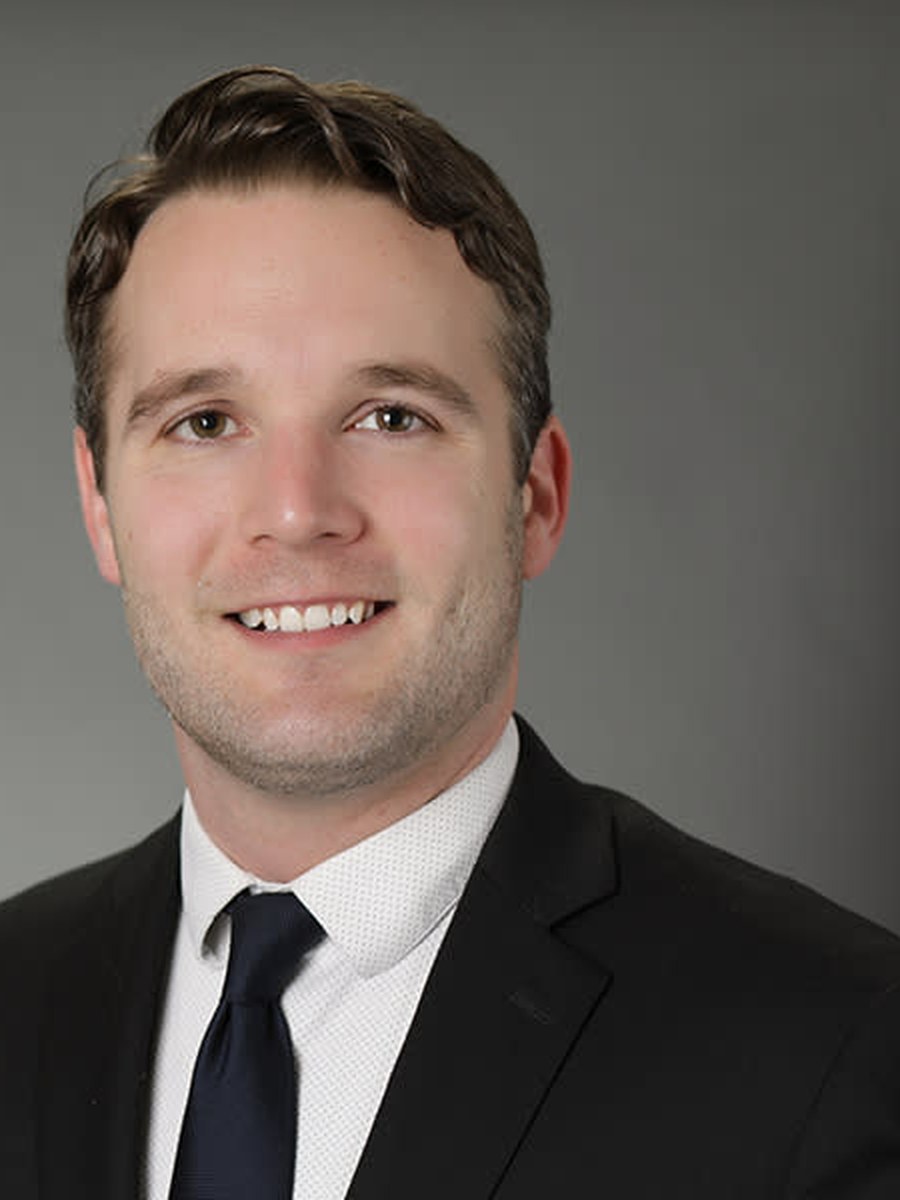
Joe Helfrick is a Sacramento-born trial attorney representing the seriously injured throughout Sacramento County and Placer County. B.A. History, Holy Cross College of Notre Dame (2010). J.D., Lincoln Law School (2015) — Faculty Achievement Award, Legal Analysis. Admitted to the California State Bar (2017) and the U.S. District Court, Eastern District of California (2020).
Talk to Joe. The first call is free.
Free, confidential, no obligation. You pay nothing unless we recover money for you.