Surgical Error Attorney in Sacramento, CA
Wrong site. Retained sponge. A nerve that should never have been touched. Surgical errors have their own vocabulary, their own evidence, and their own rules — here's the plain-English version from a Sacramento attorney who has sat on both sides of these files.
A surgical error attorney in Sacramento, CA represents patients harmed when an operation falls below the accepted standard of care — wrong-site or wrong-patient surgery, retained sponges and instruments, damaged nerves or organs, anesthesia errors in the OR, and post-operative complications the team failed to catch. Some errors (retained objects, wrong-site surgery) are 'never events' that essentially speak for themselves; most others are proven through the operative report and an independent surgical expert. California malpractice rules apply: one year from discovering the injury (three years maximum, with a foreign-object exception), a 90-day notice of intent to sue, and MICRA caps on pain and suffering of $470,000 (non-death) and $650,000 (wrongful death) in 2026 — with corrective surgery, future care, and lost income uncapped. Cases are filed at the Gordon D. Schaber Courthouse downtown. Contingency fee — no fee unless we win.
The consult call usually starts the same way: "The surgery was supposed to fix this, and now I'm worse — but the surgeon keeps saying it went fine." A man from Elk Grove went in for a routine hernia repair and came out with burning nerve pain down his leg that never left. A woman from Carmichael had a sponge counted wrong and found out eight months later when the infection finally got imaged. Neither got a straight answer from the operating surgeon. Both got one eventually — from an independent surgeon reading the operative report with fresh eyes. That's what this post is about.
Complication or negligence? The only question that matters
Every surgery has known risks, and a bad outcome alone is not malpractice — we've written that sentence on this site before and we'll keep writing it, because it's true and because the honest version serves you better. The legal question is narrower: did the surgical team do what a reasonably careful surgeon would have done, before, during, and after the operation? A known complication that happens despite proper care is a tragedy. The same complication caused by a skipped step — or ignored afterward — is a case. The operative report, the imaging, and the hospital's own policies usually tell us which one you have.
The surgical error cases we actually see in Sacramento
- 01Wrong-site, wrong-side, wrong-patient surgery.The classic 'never event.' Operating on the left knee instead of the right, the wrong vertebral level, the wrong patient entirely. These cases essentially speak for themselves — the legal doctrine is res ipsa loquitur, 'the thing speaks for itself' — and they still get defended hard.
- 02Retained sponges and instruments.Surgical counts exist precisely to prevent this, and the count is documented in the record. A retained object discovered months later — usually via infection, pain, or an unrelated scan — is another never event, and California's statute of limitations has a specific exception for foreign objects left in the body.
- 03Nerve, organ, and vessel damage outside the surgical plan.A cut bile duct in a routine gallbladder surgery, a burned ureter, a transected nerve in a hernia repair. Known risks exist for many of these — the question is whether the anatomy was identified and respected the way a careful surgeon would.
- 04Anesthesia errors in the OR.Dosing mistakes, unrecognized airway loss, inadequate monitoring. Unlike office dental sedation cases, hospital anesthesia involves a dedicated anesthesia team — which means more records, more responsible parties, and often a hospital or anesthesia group in the case alongside the surgeon.
- 05The post-operative failure to rescue.Sometimes the surgery was fine and the malpractice came after: the sepsis that vital signs were announcing for twelve hours, the internal bleed nobody took seriously, the discharge that came a day too early. Hospitals call it 'failure to rescue,' and the nursing notes are where these cases are proven.
How a surgical error case is actually proven
Three documents do most of the work. The operative report — what the surgeon dictated happened, in their own words, often within hours. The anesthesia record — a minute-by-minute log of vitals and interventions that frequently contradicts a tidy narrative. And the hospital's own policies and count sheets — because 'we didn't follow our own rule' is the most persuasive sentence in a malpractice courtroom. On top of those sits the expert: California requires a qualified surgeon in the same specialty to review the file and state, under oath, that the care fell below the standard and caused the harm. We retain and pay for that review before a case is ever filed. If the answer is no, you hear it from us, free, with the explanation.
The Sacramento hospital landscape — and venue
Sacramento surgeries happen at UC Davis Medical Center, Sutter Medical Center, Mercy General, Methodist, Kaiser Sacramento, and a ring of surgery centers across the county — and each system has its own defense counsel, its own risk-management playbook, and its own habits. Kaiser patients generally arbitrate rather than sue. County-operated facilities can trigger the six-month government claim deadline. Cases file at the Gordon D. Schaber Courthouse on 9th Street, and the local defense bar is a small world — Joe spent years on that side of these files before representing patients, which is a polite way of saying we know the playbook because we used to run it.
The rules that shape what your case is worth
- The deadline: one year from discovering the injury, three years maximum — with a specific exception for foreign objects left in the body, where the clock runs from discovery (CCP § 340.5).
- The 90-day written notice of intent to sue, served before filing (CCP § 364).
- MICRA caps pain and suffering at $470,000 for non-death cases and $650,000 for wrongful-death cases in 2026, rising each year.
- Economic damages are uncapped — and in surgical error cases they're often the largest component: revision surgeries, a colostomy that didn't need to happen, a lifetime of future care, lost income.
- Malpractice attorney's fees are limited by a statutory sliding scale — we walk through the actual numbers before you sign anything.
What to do if you think the operation went wrong
- Request the complete record in writing: operative report, anesthesia record, nursing notes, imaging, labs, and discharge summary. You don't have to explain why.
- Get the complication treated by someone uninvolved — an independent surgeon's records often state plainly what went wrong.
- Write your timeline: what you were told before surgery, what you were told after, and when each symptom started.
- Keep everything that comes out of or relates to the surgery — discharge papers, prescriptions, devices, and yes, in retained-object cases, the object if it was removed.
- Don't sign anything from the hospital's risk management or insurer — early 'we'll cover the revision' offers routinely come with a release attached.
- Mind the one-year clock. In surgical cases it often starts running on a day you were still being told everything was fine.
Surgical error attorney Sacramento, CA — quick answers
What counts as a surgical error under California law?+
Treatment that falls below what a reasonably careful surgeon would have done, causing harm: wrong-site or wrong-patient surgery, retained sponges or instruments, damage to nerves, organs, or vessels outside the surgical plan, anesthesia errors, and post-operative complications the team failed to recognize and treat in time. A known complication that occurs despite proper care is not malpractice — the process, not just the outcome, decides the case.
My surgeon says my complication is a known risk. Do I still have a case?+
Possibly. 'Known risk' answers whether a complication can happen — not whether it should have happened to you. If the step that would have prevented it was skipped (imaging, identification of anatomy, monitoring, timely response), the risk being known doesn't excuse the error. The operative report and an independent expert review answer this, and the review costs you nothing.
A surgical object was left inside me. Is there really a case?+
Almost always yes. A retained sponge or instrument is a 'never event' — the legal doctrine of res ipsa loquitur means the negligence essentially speaks for itself. California law also gives foreign-object cases a special statute of limitations: the one-year clock runs from when you discovered (or should have discovered) the object, not from the surgery date.
Can I sue the hospital, or only the surgeon?+
Often both, and the answer matters. Surgeons are frequently independent contractors, but hospitals can be liable for their nurses and staff, for negligent credentialing, and under agency theories — and anesthesia groups add another responsible entity. Identifying every defendant early affects both insurance coverage and strategy.
How much is a surgical error case worth in Sacramento?+
Economic damages — revision surgeries, future care, lost income — are uncapped and usually drive the value. Pain and suffering is capped by MICRA at $470,000 for non-death cases and $650,000 for wrongful death in 2026, rising annually. Cases involving permanent injury, multiple corrective surgeries, or death sit at the higher end. Any number quoted before your records are reviewed is a guess.
How long do I have to file a surgical error lawsuit in California?+
One year from discovering the injury, and never more than three years from the surgery (CCP § 340.5) — with a foreign-object exception that runs from discovery. You must also serve a 90-day notice of intent before filing. These deadlines are far shorter than ordinary injury cases, which is why surgical error files should be reviewed early.
How much does a surgical error attorney in Sacramento, CA cost?+
Nothing up front. Cases are handled on contingency — no attorney's fee unless money is recovered for you. The firm advances case costs (the surgical expert review, records, filing fees) and is reimbursed only from a recovery. Malpractice attorney's fees are limited by a statutory sliding scale, explained in plain numbers at the first meeting. Consultations are free.
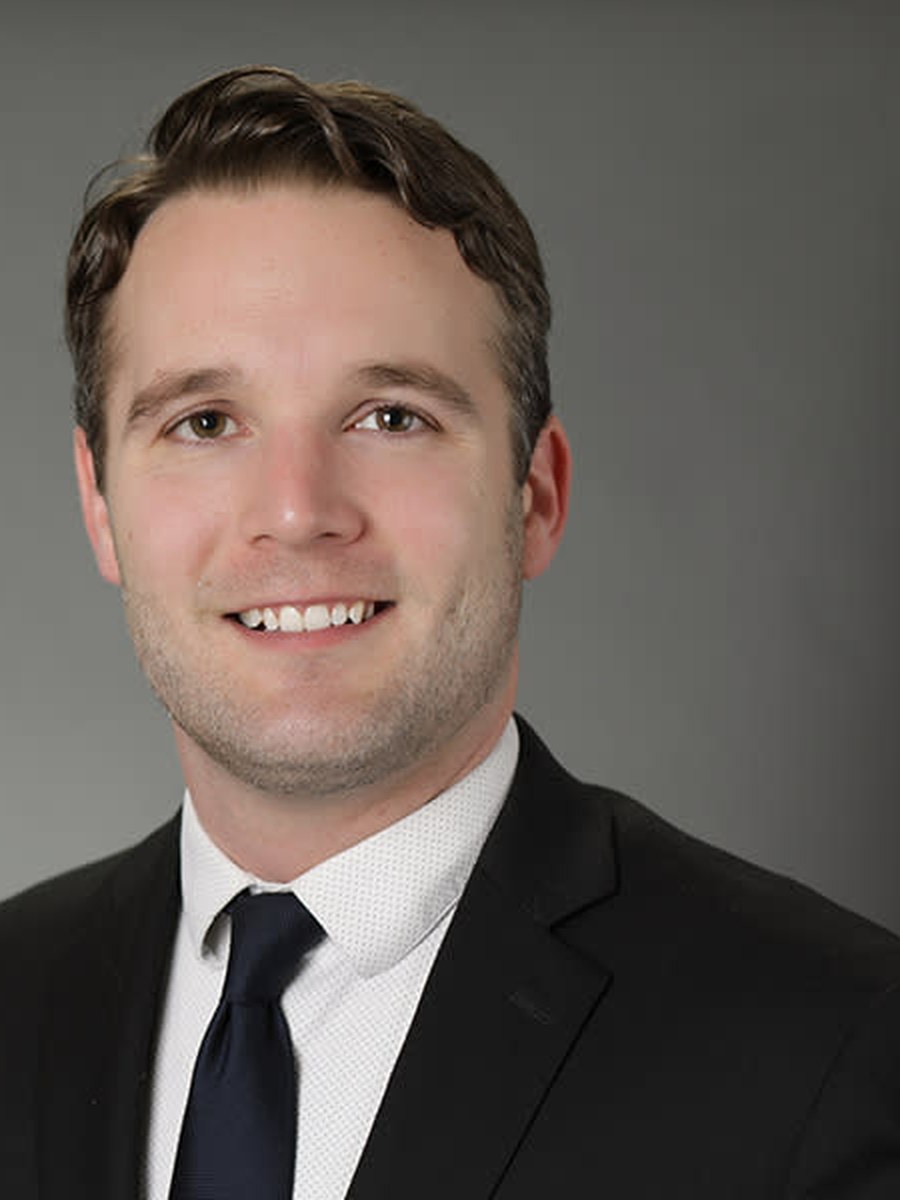
Joe Helfrick is a Sacramento-born trial attorney representing the seriously injured throughout Sacramento County and Placer County. B.A. History, Holy Cross College of Notre Dame (2010). J.D., Lincoln Law School (2015) — Faculty Achievement Award, Legal Analysis. Admitted to the California State Bar (2017) and the U.S. District Court, Eastern District of California (2020).
Talk to Joe. The first call is free.
Free, confidential, no obligation. You pay nothing unless we recover money for you.