Snowboard Accident Lawyer in California
Snowboard injuries have their own fingerprint — wrists, tailbones, head strikes, and terrain-park wrecks. A straight look at when a California resort, a rental shop, or another rider is legally on the hook.
A snowboard accident lawyer in California handles injuries at resorts statewide — terrain park crashes, skier-on-rider collisions, chairlift and conveyor-lift failures, and defective rental gear. California's inherent-risk doctrine applies to snowboarding, so ordinary falls, ice, and your own caught edges are not cases. Claims survive for negligent terrain park design or maintenance, gross negligence, common-carrier lift failures, resort employee conduct, reckless collisions with other riders, and defective rental equipment. Resorts in Placer County (Northstar, Palisades, Sugar Bowl, Boreal) are sued at the Bill Santucci Justice Center in Roseville; Mammoth cases go to Mono County and Big Bear cases to San Bernardino County. Two-year statute of limitations — but terrain park evidence can be groomed away overnight. Contingency fee — no fee unless we win.
It was his third lap through the park at Boreal — he knew the jump line, he'd hit the same feature twice that morning, and he wasn't doing anything he hadn't done a hundred times. What had changed was the landing. A day of melt-freeze and a hundred other riders had chopped it into rutted ice, and the knuckle had been groomed into something closer to a wall. He came off the lip clean, came down on the knuckle instead of the transition, and went over the nose. Compression fracture, two vertebrae. He was twenty-six, an engineer from Sacramento, and his season — and his ability to sit at a desk for a while — ended on a feature that should have been closed or reshaped hours earlier.
Snowboard cases are not ski cases on one plank. The injuries are different, the evidence is different, and the legal arguments are different. If you ride and you got hurt, this is the honest breakdown.
Snowboard injuries have their own fingerprint
Skiers blow knees. Riders break wrists, crack tailbones, and hit their heads — the classic pattern is the backwards catch: the heel edge digs in on hardpack, the board stops, and the back of your skull takes the fall. Add the terrain park and you get the second pattern: spinal compression fractures from coming up short ("casing" the knuckle), shoulder and collarbone injuries from going over the nose, and wrist fractures from catching yourself on features. We mention this because the injury pattern tells us where the case lives. A wrist fracture on an icy cat track is one conversation. A spine fracture on a deteriorated park feature is a different one entirely.
Inherent risk applies to snowboarding too — here's the real line
California's inherent-risk doctrine (Knight v. Jewett) covers snowboarding the same as skiing. Ice, your own caught edge, an ordinary yard-sale fall — that's the sport, and it isn't a case. What crosses the line:
- 01Terrain park design, construction, and maintenance failures.Man-made features are the battleground in snowboard law. Resorts owe riders features that are built as designed and maintained as conditions change — a landing groomed into ice ruts, a rail with an exposed edge, a jump whose lip and landing no longer match after a week of wear. A resort can't use 'inherent risk' to excuse a hazard it created and then ignored.
- 02Reckless collisions.The same recklessness standard that governs skier-on-skier cases covers riders. Straight-lining a crowded run, hitting features blind into traffic below, riding out of control in slow zones.
- 03Chairlift and conveyor-lift failures.Lifts are common carriers in California — the highest duty of care. That matters more for snowboarders, who load, ride, and unload with one foot unstrapped. Misloads, sudden stops, and conveyor incidents in beginner zones are real cases.
- 04Defective rental equipment.A binding that releases or doesn't, a board with a failed edge, boots that don't hold the binding. The rental shop and the manufacturer aren't protected by the resort's waiver.
- 05Resort employee conduct.Patrol on snowmobiles, instructors leading groups across active runs, lift operators loading kids unsafely.
The terrain park case, specifically
Park cases are evidence cases with a brutal twist: the evidence gets regroomed every single night. The feature that hurt you on Saturday afternoon may be unrecognizable by Sunday morning. So the case turns on speed — same-day photos and video of the feature from the approach, the lip, and the landing; the signage and difficulty rating posted at the park entrance; the park crew's report and maintenance logs (which we demand by preservation letter immediately); and prior incidents on the same feature, which resorts track even when they'd rather they didn't.
One more thing clients get right more often than they realize: your friends' footage. Park laps are the most filmed terrain on the mountain. If anyone in your crew — or a stranger behind you in the lift line — had a GoPro or a phone out, that clip can carry the case.
The California rules, in one paragraph
Two years from the injury to file suit (CCP § 335.1) — but treat the evidence deadline as 48 hours, not two years. Pass and ticket waivers cover ordinary negligence, not gross negligence, common-carrier lift claims, reckless riders, or defective rental gear. Venue follows the mountain: Placer County resorts (Northstar, Palisades, Sugar Bowl, Boreal, Soda Springs) are filed at the Bill Santucci Justice Center in Roseville; Mammoth cases go to Mono County; Big Bear and Snow Valley cases to San Bernardino County. We handle serious snowboard cases statewide.
The first 48 hours after a wreck
- Photograph the feature or scene from every angle you can manage — approach, lip, landing, signage — the same day, before the groomers erase it.
- Get a ski patrol report made and ask how to obtain a copy.
- Collect witness names and numbers, and ask your crew (and witnesses) whether anyone was filming.
- Get medical care the same day — head strikes and spinal compression injuries both hide behind adrenaline.
- Keep the gear exactly as it was — board, bindings, boots, helmet. Don't adjust, repair, or return anything yet.
- Call a lawyer before the week is out. Preservation letters for park logs, camera footage, and lift-scan data are time-sensitive, and they're ours to send.
Snowboard accident lawyer California — quick answers
Can I sue a California ski resort over a terrain park injury?+
Possibly. Resorts can't be sued for the inherent risks of riding, but they can be liable for man-made hazards they created or ignored — a jump whose landing deteriorated into ice ruts, a feature built off-spec, missing or wrong difficulty signage, or a feature that should have been closed. These cases turn on evidence gathered fast: same-day photos, park crew logs, and prior incident history on the same feature.
Does the waiver on my season pass cover terrain park injuries?+
It covers ordinary negligence, not everything. California courts don't enforce waivers against gross negligence, common-carrier chairlift claims, reckless conduct by other riders, or product defects in rental equipment. Whether a badly maintained park feature is 'ordinary negligence' or something worse is exactly the fight these cases are about — the waiver is the start of the analysis, not the end.
I caught an edge, fell backward, and hit my head. Is that a case?+
Honestly, usually not. Catching an edge on normal terrain — even on ice — is an inherent risk of snowboarding, and California courts won't entertain a claim for it. The exceptions: if the ice was an artificial hazard the resort created (a leaking snowmaking line flooding a run, a feature landing groomed to concrete), or if a helmet or rental product failed. We tell people the truth on this question in the first call.
Another skier or rider hit me in the park. Do I have a case?+
If their riding crossed from careless into reckless — hitting a feature blind into traffic below, bombing a crowded slow zone — yes. The claim runs against the rider, and it's usually paid by their homeowner's, renter's, or umbrella insurance, not out of their pocket. See our detailed guide on skier-and-rider collision cases for how these are proven.
Do snowboarders have the same legal rights as skiers in California?+
Yes — the same inherent-risk doctrine, the same recklessness standard for collisions, the same Responsibility Code, and the same common-carrier protections on lifts. One practical difference: riders load and unload lifts with one foot unstrapped, which makes misload and conveyor-lift incidents a bigger share of snowboard lift cases.
I was hurt at Boreal but live in Sacramento. Where is my case filed?+
Boreal is in Placer County, so the case is filed at the Bill Santucci Justice Center on Peckham Road in Roseville — likely closer to you than the mountain is. Northstar, Palisades, and Sugar Bowl cases land in the same courthouse. Mammoth cases go to Mono County and Big Bear cases to San Bernardino County; we handle serious cases statewide.
How much does a snowboard accident lawyer in California cost?+
Nothing up front. Cases are handled on contingency — no attorney's fee unless money is recovered for you. The firm advances case costs (investigation, experts, records, filing fees) and is reimbursed only out of a recovery. Consultations are free.
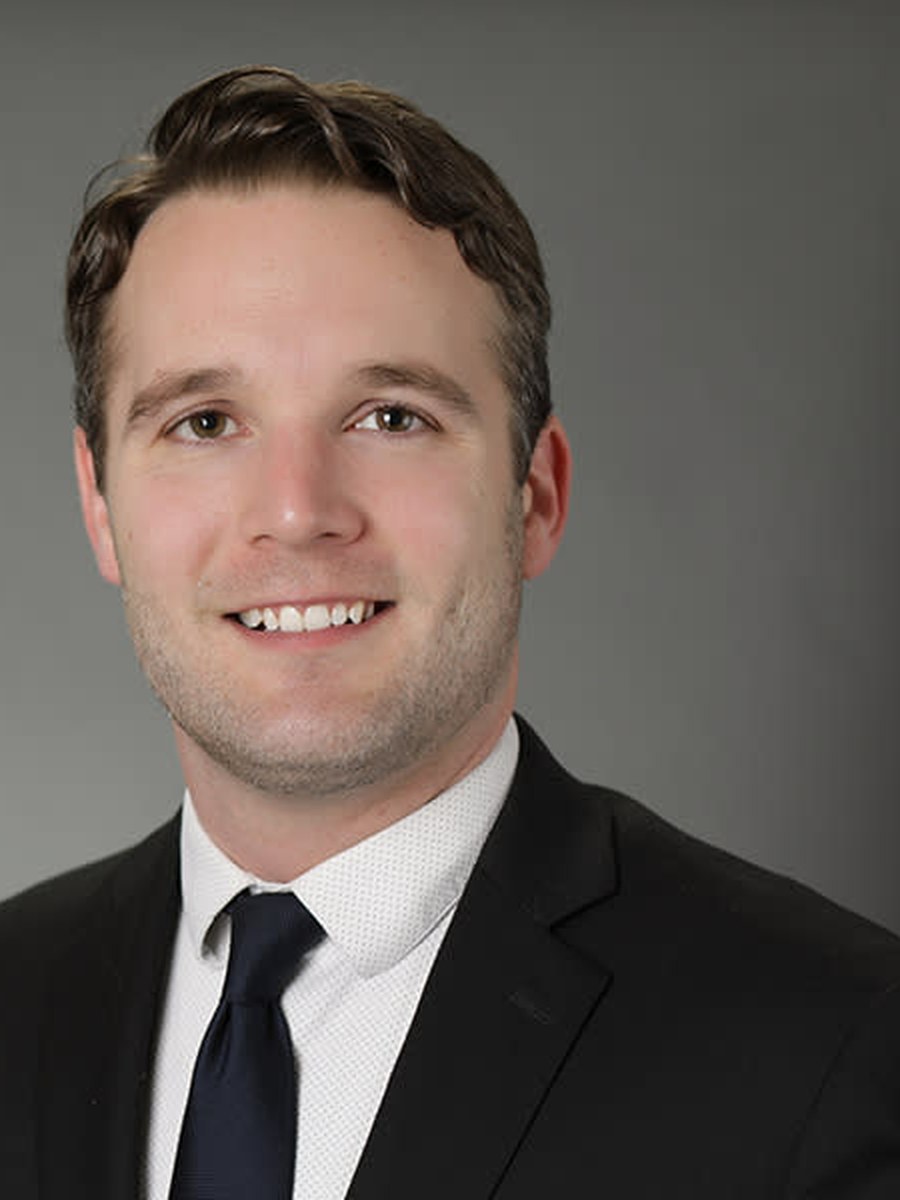
Joe Helfrick is a Sacramento-born trial attorney representing the seriously injured throughout Sacramento County and Placer County. B.A. History, Holy Cross College of Notre Dame (2010). J.D., Lincoln Law School (2015) — Faculty Achievement Award, Legal Analysis. Admitted to the California State Bar (2017) and the U.S. District Court, Eastern District of California (2020).
Talk to Joe. The first call is free.
Free, confidential, no obligation. You pay nothing unless we recover money for you.