Ski Accident Lawyer in Placer County and Roseville, CA
Most Placer County ski injuries aren't lift failures — they're collisions. A local look at the skier-on-skier case: the downhill-skier rule, who actually pays, and what to do when the person who hit you skis off.
A ski accident lawyer in Placer County and Roseville, CA handles the most common serious mountain injury: the skier-on-skier (or snowboarder) collision. California law bars ordinary-negligence claims between skiers under the inherent-risk rule — but not claims for reckless conduct, like bombing a crowded green run at full speed or launching blind off a roller. The at-fault skier's homeowner's, renter's, or umbrella insurance usually pays, not the resort. Evidence decides these cases: the ski patrol report, lift-scan data, GoPro or phone video, and witness names gathered before everyone leaves the mountain. If the other skier fled unidentified, options narrow but don't vanish. Cases arising at Placer County resorts are filed at the Bill Santucci Justice Center on Peckham Road in Roseville. Two-year statute of limitations. Contingency fee — no fee unless we win.
She was doing everything right — mid-turn on a blue run at Northstar, downhill, in control, the kind of cautious intermediate skiing you do when you're forty-six and your kids are waiting at the bottom. She never saw him. A snowboarder came over the roller above her at full speed, straight-lining, and took her out from behind. Broken collarbone, concussion, season over. He stood up, said "my bad," and rode off. A witness — a stranger who stopped — got only his first name and the color of his jacket. By the time ski patrol wrote the report, he was gone.
She called us from Roseville three days later, from the same couch she drove home to down I-80. If you've been hit on the mountain, some version of her story is probably yours. Here's how these cases actually work.
The downhill-skier rule — and California's real legal standard
Every lift ticket in the Sierra prints some version of the Responsibility Code: people ahead of you have the right of way, and it's your job to avoid them. That's the ski-culture rule, and it's a good one. California's legal rule is different, and more demanding. Because of the inherent-risk doctrine (Knight v. Jewett) and its application to collisions (Cheong v. Antablin), you generally cannot sue another skier for ordinary carelessness — for being a mediocre skier who made a mediocre mistake. Collisions are, to a degree, part of the sport.
What you can sue for is recklessness: conduct so far outside the sport that it shows a conscious disregard for the people downhill. Straight-lining a crowded green run at race speed. Launching blind off a roller over a merge point. Skiing blackout drunk. Ducking a rope into a closed area and cutting back onto an open run into traffic. In practice, the more crowded and slow the terrain, the less speed is acceptable — and a collision that puts someone in surgery on a beginner run is exactly where recklessness claims live.
Who actually pays (it's usually not the resort)
Clients are often surprised here, so let's be direct: in a skier-on-skier collision, the resort is usually not the defendant. The claim runs against the person who hit you — and the good news is that it almost never comes out of their pocket. Homeowner's and renter's insurance policies cover personal liability for negligence and recklessness off-premises, which includes what their insured does on a snowboard at Palisades. Umbrella policies stack on top. In the Roseville and Granite Bay world, where umbrella coverage is common, a serious collision case can have seven figures of available coverage without the at-fault skier writing a personal check.
This is also why these cases settle more rationally than people expect: we're negotiating with an insurance adjuster, not taking a stranger's house.
Collision cases are evidence cases
Because the legal line is recklessness, the whole case turns on proving how the other person was skiing — which means collision cases are won or lost on evidence gathered in the first days, sometimes hours:
- The ski patrol incident report — always get one made, even if you feel okay. Patrol reports record the terrain, conditions, witnesses, and the other party's information.
- Witnesses. The stranger who stopped is the most valuable person in your case. Names and phone numbers, on the spot, before everyone skis away.
- Video. GoPros, helmet cams, phones, and resort cameras. More of the mountain is filmed every season, and we've built cases out of footage the client didn't know existed.
- Lift-scan data. Modern passes record every lift ride. Scan data can place a specific pass-holder on a specific lift at a specific minute — which is how an unidentified skier sometimes stops being unidentified. Resorts purge this data; preservation letters have to go out fast.
- Your medical timeline. Same-day documentation at the resort clinic or back home at Sutter Roseville ties the injury to the collision before the defense can argue otherwise.
When the person who hit you skis off
The honest truth first: a hit-and-run on the mountain is harder than a hit-and-run on the road. There's no license plate, no DMV, no uninsured-motorist coverage that applies. But "gone" is not always "unfindable." We've seen identifications come from lift-scan data cross-referenced with the time of the collision, from the witness's description matched against the resort's pass photo, from GoPro footage, and once from a ski school instructor who recognized the jacket. The window for all of it is short — resorts don't hold scan data or camera footage for months, and memories fade by the weekend.
If identification fails, we look hard at the rest of the picture: whether the resort created or ignored the hazard (an unmarked merge, a terrain-park feature dumping onto a crowded run), and at your own coverages — health insurance, disability, and any applicable accident policies — to get you treated and whole while the legal side plays out.
The Roseville and Placer County logistics
The collision happens at Palisades, Northstar, Sugar Bowl, or Boreal. Everything after happens at home. Your orthopedics runs through the Roseville medical corridor — Sutter Roseville, the surgical groups off Douglas and Sunrise, PT along Blue Oaks and Foothills. And if the case is filed, it's filed in Placer County Superior Court at the Bill Santucci Justice Center on Peckham Road in Roseville, roughly ninety minutes down I-80 from the resort. For clients in Roseville, Rocklin, Lincoln, and Granite Bay, that means the entire case — treatment, deposition, mediation — happens within a few miles of your house. The two-year statute of limitations applies, but the evidence deadlines are measured in days.
The first 48 hours after a collision
- Insist on a ski patrol report before you leave the mountain, and ask how to get a copy.
- Get witness names and numbers yourself if you can — don't assume patrol got everyone.
- Ask any witness (or your own group) whether anyone was filming.
- Get medical care the same day, even if adrenaline says you're fine — concussions and fractures both hide.
- Note everything you remember about the other skier: jacket, helmet, board or ski graphics, approximate age, riding style, which lift they headed for.
- Call a lawyer before the week is out. The preservation letters for lift-scan data and resort footage are the time-sensitive part, and they're ours to send, not yours.
Ski accident lawyer in Placer County and Roseville, CA — quick answers
Can I sue another skier or snowboarder who crashed into me in California?+
Yes, but the standard is recklessness, not ordinary carelessness. California's inherent-risk doctrine (Knight v. Jewett, applied to collisions in Cheong v. Antablin) bars negligence claims between skiers — but a skier who straight-lines a crowded beginner run, launches blind over a roller, or rides out of control in slow terrain can be liable for reckless conduct. The more crowded and slow the terrain, the stronger the claim.
Who pays if another skier injures me — doesn't the resort?+
Usually not the resort — the claim runs against the skier who hit you, and it's typically paid by their homeowner's, renter's, or umbrella liability insurance, which covers personal liability off-premises. That means serious cases are negotiated with an insurance company, not taken out of an individual's pocket, and coverage in the Roseville and Granite Bay area is often substantial.
The skier who hit me skied off and I never got their name. Do I still have options?+
Sometimes. Identification has come from lift-scan data cross-referenced with the collision time, resort pass photos matched to witness descriptions, GoPro and camera footage, and resort employees who recognized the rider. The window is short — resorts purge scan data and footage — so preservation letters need to go out within days. If identification fails, we examine whether the resort created the hazard and your own insurance coverages.
Does the skier Responsibility Code matter legally in California?+
It's evidence, not law. The Code's rules — downhill skiers have the right of way, you must avoid people ahead of you — help establish what reasonable conduct looks like on the mountain, and violating them supports a recklessness case. But the legal test remains California's recklessness standard, not the Code itself.
Are snowboarders held to the same rules as skiers?+
Yes — the same inherent-risk doctrine and the same recklessness standard apply to snowboarders, and the Responsibility Code applies equally. Snowboarders' blind side (heel edge) is well known, and riders who don't account for it in crowded terrain can be found reckless just like a speeding skier.
I was hit at Northstar but I live in Roseville. Where is the case filed?+
Placer County. Northstar, Palisades Tahoe, Sugar Bowl, and Boreal all sit in Placer County, and civil cases are filed at the Bill Santucci Justice Center on Peckham Road in Roseville — the same county where you live and treat. Your medical care, depositions, and any trial all happen near home.
How much does a ski accident lawyer in Placer County and Roseville, CA cost?+
Nothing up front. Collision cases are handled on contingency — no attorney's fee unless money is recovered for you. The firm advances case costs (investigation, experts, records, filing fees) and is reimbursed only out of a recovery. Consultations are free.
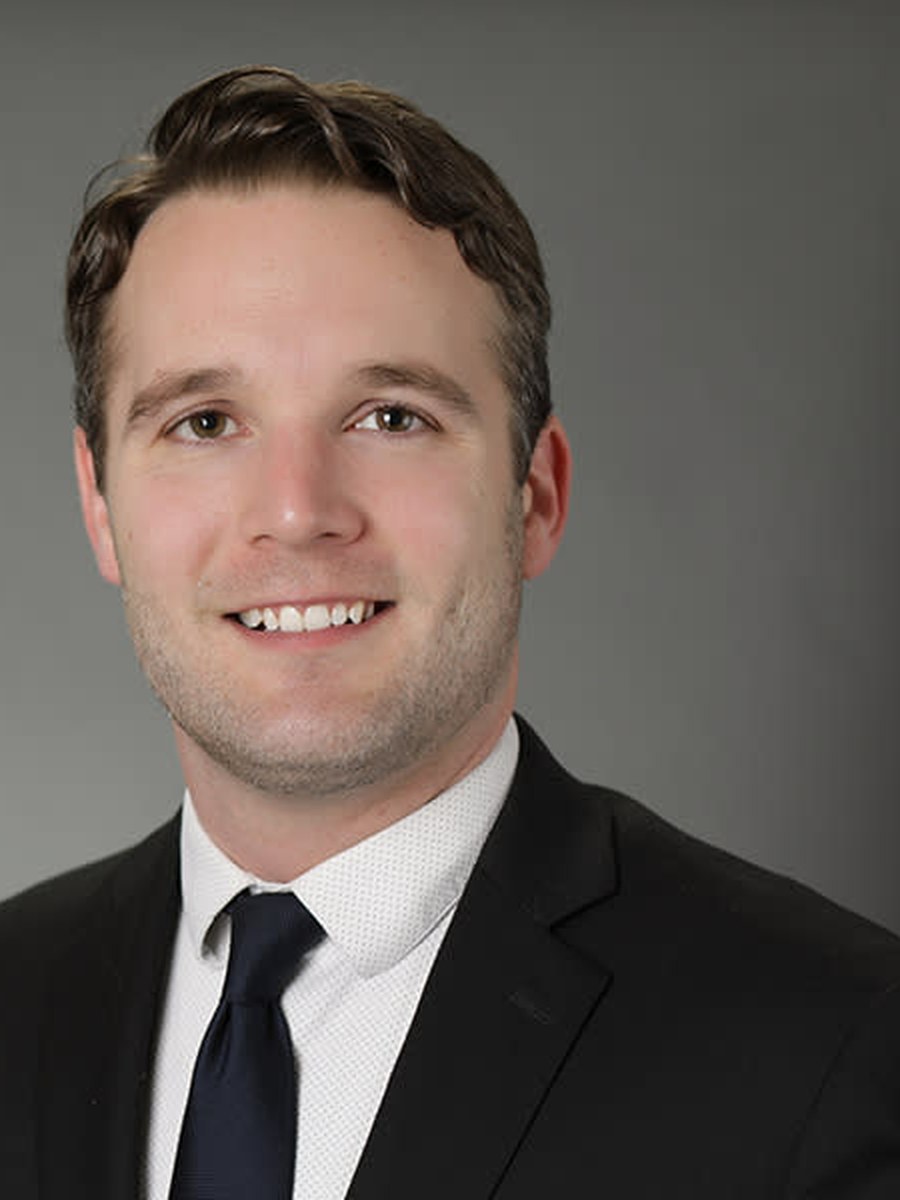
Joe Helfrick is a Sacramento-born trial attorney representing the seriously injured throughout Sacramento County and Placer County. B.A. History, Holy Cross College of Notre Dame (2010). J.D., Lincoln Law School (2015) — Faculty Achievement Award, Legal Analysis. Admitted to the California State Bar (2017) and the U.S. District Court, Eastern District of California (2020).
Talk to Joe. The first call is free.
Free, confidential, no obligation. You pay nothing unless we recover money for you.