Nursing Home Abuse Attorney in Sacramento
Nobody puts a parent in a care facility expecting to need this page. If something feels wrong about your loved one's care — the weight loss, the bruises, the answers that don't add up — that feeling is data. Here's what to do with it.
A nursing home abuse attorney in Sacramento represents residents and families when a skilled nursing facility, assisted living home, or care home causes harm through neglect or abuse — bedsores, preventable falls, malnutrition, medication errors, wandering, or physical abuse. California's Elder Abuse and Dependent Adult Civil Protection Act (Welf. & Inst. Code § 15600 et seq.) gives these cases real teeth: when neglect is proven, the responsible facility can owe attorney's fees and enhanced damages, and understaffing-driven neglect is not capped by the medical malpractice (MICRA) limits that constrain ordinary negligence. Report concerns to Sacramento County Adult Protective Services, the Long-Term Care Ombudsman, and the California Department of Public Health — but know that a report triggers investigation, not compensation; only a civil case does that. Most families have two years to file. Cases are handled on contingency — no fee unless we win.
A daughter from Land Park described it better than any legal textbook: every Sunday visit, something small was off. Dad's water pitcher, empty and out of reach. Fifteen pounds gone in two months, explained as "he's a picky eater now." A bruise on his hip with three different explanations from three different staff members. She kept talking herself out of it — it's a nice building, the brochure was beautiful, who was she to question professionals. Then came the hospital transfer for "an infection," and the ER nurse pulled her aside and said the sentence families never forget: "Did you know your father has a Stage 3 pressure ulcer?"
If something about your loved one's care has been sitting wrong with you — and you keep almost saying something — this page is for you. That feeling deserves to be taken seriously, starting by you.
The warning signs worth acting on
- Bedsores (pressure ulcers). Stage 1 can happen even with decent care. Stage 3 and 4 almost never do — they are the signature injury of neglect, because preventing them is literally a schedule: repositioning every two hours, nutrition, clean bedding.
- Repeated falls — especially falls followed by "he just slipped" with no change in the care plan. Fall-risk residents are supposed to have prevention protocols; a pattern of falls is a pattern of failure.
- Rapid weight loss, dehydration, cracked lips, sunken eyes. Feeding and hydrating residents is the most basic obligation a facility has.
- Medication errors — sudden sedation ("chemical restraint"), missed medications, or new confusion that tracks with a medication change.
- Wandering or elopement — a memory-care resident who gets out unsupervised has been failed by the one system that exists to prevent exactly that.
- Unexplained bruises, fractures, or injuries with shifting explanations — and a loved one who has become suddenly fearful, withdrawn, or flinchy around certain staff.
- The environmental tells: chronic smell of urine, unanswered call lights, and a building where you can never seem to find enough staff on the floor.
The legal engine most families have never heard of
California has a specific law for this: the Elder Abuse and Dependent Adult Civil Protection Act (starting at Welfare & Institutions Code § 15600). It matters enormously, for one reason: when a facility's neglect rises to recklessness — and chronic understaffing that predictably produces bedsores, falls, and malnutrition often qualifies — the law adds remedies ordinary injury cases don't get. The facility can be ordered to pay the family's attorney's fees, enhanced damages are available, and in death cases the family's claims are strengthened in ways that change settlement math completely.
There's a second, quieter distinction that experienced elder abuse lawyers build cases around: neglect is not medical malpractice. A doctor's judgment call gone wrong lives under MICRA, with its caps and short deadlines. A corporation's decision to run a 100-bed facility on a skeleton crew — leaving residents lying in soiled bedding because nobody was scheduled to turn them — is neglect under the Elder Abuse Act, and the MICRA caps don't apply. Defense lawyers spend real money arguing your case is the first kind. Building it correctly as the second kind is the craft.
Understaffing is usually the real defendant
Pull the thread on almost any nursing home case and you find the same root cause: staffing. Facilities owned by large chains are run to staffing budgets set far from Sacramento, and the harm follows the math — too few aides means residents don't get turned, don't get walked to the bathroom, don't get fed on time. That's why these cases are built on records most families don't know exist: staffing logs, the facility's own acuity assessments (what the facility itself documented about how much care your loved one needed), care plans, and the gap between the two. When the file shows the facility knew exactly how much help your parent needed and budgeted for half of it, the case is no longer about one bad aide. It's about a business model.
Reporting and suing are different tools — use both
- Sacramento County Adult Protective Services — investigates abuse and neglect of elders; the right first call if you suspect active mistreatment.
- The Long-Term Care Ombudsman (serving Sacramento County) — advocates inside facilities, can visit unannounced, and knows each building's history.
- California Department of Public Health (CDPH) — licenses nursing homes; a complaint triggers an investigation that becomes part of the facility's public record.
File the reports — they protect your loved one and every other resident in the building. But know their limit: none of them compensates your family. Investigation is the state's lane; accountability in dollars is the civil case's lane. They run in parallel, and the investigation records often become valuable evidence in the lawsuit.
What to do now, in order
- 01Get your loved one safe first.If there's an immediate danger, a hospital evaluation or a facility change comes before everything else — including the legal side. A transfer also creates an independent medical record, which matters later.
- 02Document what you're seeing.Photos with dates (phone photos are timestamped), a simple log of what you observe each visit, and the names of staff you speak with. Families who document are taken more seriously by everyone — the facility, the regulators, and the courts.
- 03Request the records.The chart, the care plan, the incident reports for every fall or injury, and the medication records. You (or the legal representative) are entitled to them. The care plan is the sleeper document — it's the facility's own written description of the care they promised to deliver.
- 04File the reports.APS, the Ombudsman, and CDPH — described above. Write down the complaint numbers.
- 05Check what was signed at admission.Many facilities bury arbitration agreements in admission paperwork. They don't necessarily end a case (and in California they're revocable within 30 days of signing), but they change the venue — bring it up early.
- 06Talk to a lawyer while the records are fresh.Staffing logs and video get rotated out. The two-year filing deadline is real, but the evidence deadline is much shorter.
The Sacramento part
Elder abuse cases arising in Sacramento County are filed at the Gordon D. Schaber Courthouse on 9th Street. The facilities span the county — from the big skilled nursing buildings along Folsom Boulevard and in Carmichael to the small six-bed residential care homes in Roseville and Rocklin — and the cases cross county lines the same way families do; Placer County cases go to the Bill Santucci Justice Center in Roseville. Either way, you're working with a local attorney who knows the facilities, the local ombudsman, and the defense firms the chains hire, and who takes these cases on contingency — the family pays nothing unless there's a recovery.
Nursing home abuse attorney Sacramento — quick answers
What are the most common signs of nursing home neglect?+
Bedsores (especially Stage 3 or 4), repeated falls, rapid weight loss or dehydration, medication errors or sudden over-sedation, wandering incidents, unexplained bruises or fractures, and behavioral changes like fearfulness or withdrawal around staff. Environmental signs matter too: unanswered call lights, chronic odor, and visibly thin staffing on the floor.
Are bedsores proof of nursing home neglect?+
Stage 1 bedsores can occur even with adequate care. Stage 3 and Stage 4 pressure ulcers almost never develop without prolonged neglect — prevention is a simple, scheduled protocol (repositioning every two hours, nutrition, clean bedding), and a deep bedsore means the schedule wasn't followed. Advanced bedsores are the signature injury of nursing home neglect cases.
Does California's malpractice cap (MICRA) limit nursing home cases?+
Often no — and this is the key strategic question in these cases. When the harm comes from neglect and understaffing rather than professional medical judgment, the case proceeds under the Elder Abuse Act, which is not limited by MICRA's caps and can add attorney's fees and enhanced damages. Defense firms work hard to reclassify cases as malpractice; building the case as neglect from day one is critical.
Who do I report nursing home abuse to in Sacramento?+
Three parallel channels: Sacramento County Adult Protective Services (for suspected abuse or neglect), the Long-Term Care Ombudsman serving Sacramento County (advocates who can visit facilities unannounced), and the California Department of Public Health (which licenses nursing homes and investigates complaints). Reports protect residents and create records — but they don't compensate your family; only a civil claim does that.
We signed paperwork at admission with an arbitration clause. Can we still sue?+
Usually yes — with a venue change. Arbitration agreements move the case from court to private arbitration, but they don't erase the claim, and Elder Abuse Act remedies can still apply. In California these agreements are also revocable within 30 days of signing, and their enforceability is litigated often enough that an attorney should review yours before anyone assumes the courthouse door is closed.
How long do we have to file a nursing home abuse case in California?+
Generally two years from the injury or its discovery, though the malpractice rules (one year from discovery) can apply if the case is framed as medical negligence, and government-run facilities can trigger the six-month claim deadline. More practically: staffing logs, video, and care records are rotated out on schedules — the evidence deadline is far shorter than the legal one.
How much does a nursing home abuse attorney in Sacramento cost?+
Nothing up front. Cases are handled on contingency — the fee is a percentage of the recovery, and if there's no recovery, the family owes no fee. Case costs (medical experts, records, filing fees) are advanced by the firm. Consultations are free and confidential.
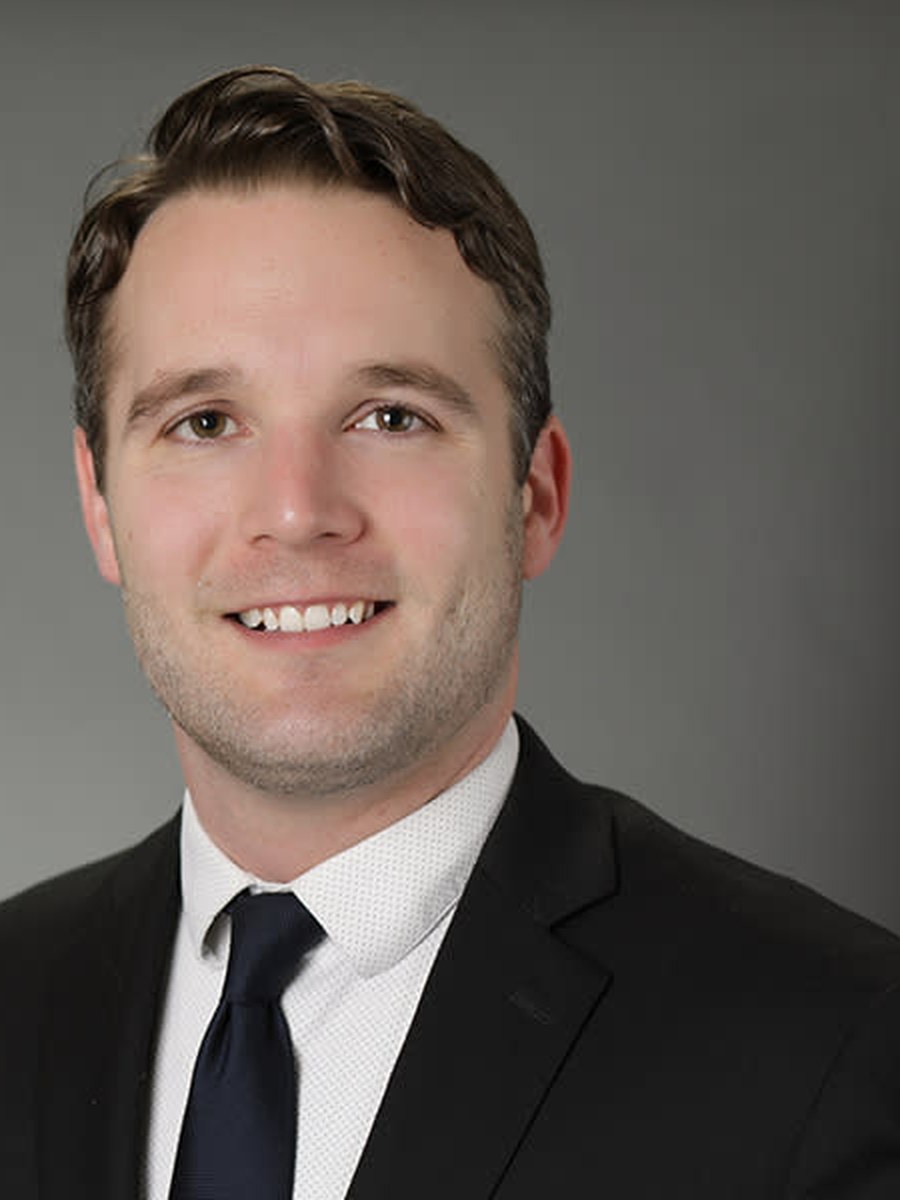
Joe Helfrick is a Sacramento-born trial attorney representing the seriously injured throughout Sacramento County and Placer County. B.A. History, Holy Cross College of Notre Dame (2010). J.D., Lincoln Law School (2015) — Faculty Achievement Award, Legal Analysis. Admitted to the California State Bar (2017) and the U.S. District Court, Eastern District of California (2020).
Talk to Joe. The first call is free.
Free, confidential, no obligation. You pay nothing unless we recover money for you.